What is an Ethernet Switch SFP Port and How Does It Work?
Ethernet switches play a critical role in network infrastructure, enabling efficient data transfer between devices. An integral component of many modern Ethernet switches is the SFP port. According to Dr. Emily Chen, a leading expert in networking technology, “The Ethernet Switch SFP Port is essential for flexibility and speed in network design.” This statement underscores the importance of understanding how these ports function.
The Ethernet Switch SFP Port allows for connectivity options tailored to specific network needs. These ports support various types of transceivers, enhancing adaptability. For instance, businesses can choose between copper and fiber connections depending on their requirements. This versatility can lead to improved performance in diverse environments.
However, not all users fully utilize the potential of the Ethernet Switch SFP Port. Many overlook the importance of selecting the correct transceivers, which can impact overall network efficiency. It is crucial to comprehend the specific use cases and limitations of these ports. Making informed decisions will ensure optimal network performance and longevity.
What is an Ethernet Switch SFP Port?
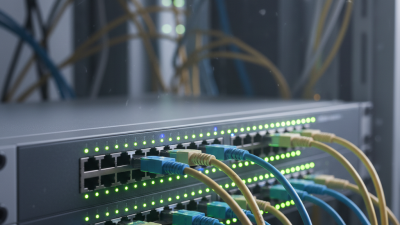
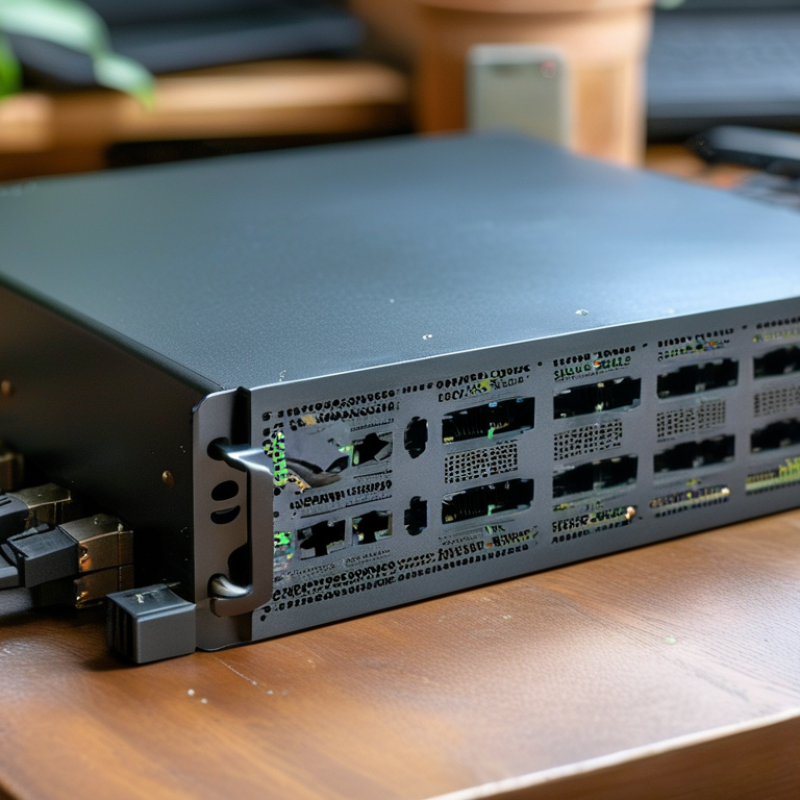
An Ethernet switch SFP port is a specialized interface designed to enhance networking capabilities. SFP stands for Small Form-factor Pluggable. These ports allow for the insertion of transceiver modules. This flexibility supports a variety of communication standards, such as fiber optic and copper connections. Network administrators often appreciate this adaptability in expanding their systems.
SFP ports work by facilitating high-speed data transfer between devices. They can connect switches, routers, servers, and other network devices efficiently. When a transceiver is plugged in, it converts electrical signals into optical signals or vice versa. This process is crucial for long-distance communications. However, it can lead to increased latency if improperly configured.
Using SFP ports does pose some challenges. Choosing the right transceiver is essential for optimal performance. Compatibility must be checked carefully. Additionally, regular maintenance is needed to ensure signal integrity. SFP ports do not automatically boost performance; they require thoughtful deployment. Mismanagement can result in bottlenecks that impede network efficiency. Understanding these nuances is vital for effective network design.
Understanding the Function of SFP Ports in Networking
SFP ports, or Small Form-factor Pluggable ports, play a crucial role in modern networking. They allow for flexible connections between devices, ensuring data can flow efficiently across a network. Instead of relying on fixed interfaces, SFP ports enable the use of different modules to fit specific needs. This adaptability contributes to effective network performance.
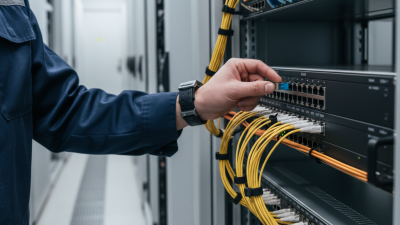
Understanding how SFP ports function is vital for network engineers. These ports accept various types of transceivers, which connect to different fiber optic or copper cables. They can support a range of data rates, such as 1GbE or 10GbE. The ability to swap modules without switching off the device is a significant benefit. This hot-swappable feature allows for maintenance without downtime.
However, not all SFP implementations are straightforward. Challenges may arise in module compatibility. Engineers must pay attention to the specifications of both the port and the module. Similarly, the quality of the cables used with SFP ports can impact performance. Thorough testing and awareness of these factors can significantly enhance a network’s reliability.
Network Performance Metrics for SFP Ports
How SFP Ports Enhance Network Flexibility and Scalability
SFP ports, or Small Form-factor Pluggable ports, are essential in modern Ethernet switches. They provide flexibility in network design and scalability for growing demands. The use of SFP ports allows for easy swapping of modules, enabling switches to adapt quickly to different network environments. This capability is crucial for businesses that need to expand or upgrade their networks without significant downtime.
Enhancing network flexibility is a key advantage of SFP ports. They support various types of connections, including fiber and copper. This versatility allows network engineers to customize setups based on specific requirements. With the right module, a single switch can connect to different network infrastructures. This adaptability fosters an environment where upgrades and changes can occur seamlessly.
Scalability is another critical aspect of SFP ports. As organizations grow, their network needs evolve. SFP ports enable the integration of new technologies with minimal disruption. They help future-proof networks against rapid changes. However, careful planning is essential. Improper use of SFP modules can hinder performance. Choosing the right type and configuration requires knowledge and foresight. Hence, continued learning and experimentation remain vital for network professionals aiming to optimize their systems.
Types of SFP Modules and Their Use Cases
SFP modules, or Small Form-factor Pluggable modules, play a crucial role in modern networking. These devices provide
flexibility and scalability for network connections. Common types of SFP modules include
SFP,
SFP+, and
SFP28, each supporting different speeds and distances.
SFP modules are typically used for gigabit Ethernet connections, while SFP+ is suitable for
10 Gbps applications.
The choice of an SFP module depends on the specific use case. For example, SFP modules designed for
long-distance connections might use
single-mode fiber. In contrast,
multimode fiber modules are ideal for
shorter distances. Many organizations rely on SFP modules for varied applications, yet their performance can be influenced by
environmental factors. These factors include
temperature,
humidity, and
cable quality. It's essential to evaluate the network's requirements before selecting a module.
There's a learning curve when integrating SFP modules into existing infrastructure.
Misconfigurations can lead to network failures or
suboptimal performance. Assessing compatibility with existing equipment is a must. While SFP modules offer multiple advantages,
potential challenges can arise. Network engineers must remain vigilant in choosing and deploying these tools.
Configuring and Troubleshooting SFP Ports on Ethernet Switches
Configuring SFP ports on Ethernet switches requires careful planning. Each port supports specific types of SFP modules and speeds. Misconfiguration can lead to network downtime. According to a recent report from the Ethernet Alliance, 68% of network issues stem from improper port configurations. Thus, understanding the specifications is crucial.
Troubleshooting SFP ports can be challenging. Monitoring tools can identify physical layer issues. A study by the IEEE highlighted that about 45% of outages were due to faulty cabling or connectors. Inspecting these components may resolve many issues quickly. Sometimes, simply reseating the SFP module fixes connection problems.
Regular updates to switch firmware can prevent potential conflicts. However, this process can be intricate. Over 30% of network administrators reported complications during firmware updates. A well-documented procedure can mitigate such risks, ensuring a more reliable network environment.
What is an Ethernet Switch SFP Port and How Does It Work?
| Dimension |
Details |
| Port Type |
SFP (Small Form-factor Pluggable) |
| Functionality |
Facilitates network connection and data transfer between devices |
| Speed Options |
1 Gbps, 10 Gbps, 25 Gbps, and higher |
| Common Use Cases |
Data centers, enterprise networks, and telecommunications |
| Configuration |
Typically configured through CLI or web interface of the switch |
| Troubleshooting Tips |
Check connection integrity, verify transceiver compatibility, and monitor port status |
| Power Consumption |
Varies depending on the speed and type of SFP used |
| Hot-Swappable |
Yes, SFPs can be replaced without powering down the switch |