How to Choose the Best Ethernet Switch with SFP Port?
Choosing the right Ethernet switch with SFP port is vital for modern networking demands. With data moving faster than ever, the need for reliable connections is imperative. Industry reports show that nearly 80% of businesses now prioritize network speed and flexibility. This shift highlights the importance of selecting the best equipment available.
Industry expert Dr. Alex Chen emphasizes, “An Ethernet switch with SFP port can dramatically enhance network performance.” His insights reflect the trend toward modularity. While SFP ports allow for flexibility in fiber type and distance, not all switches are created equal. It can be challenging for users to determine which features best suit their needs.
Consideration of factors like switching capacity, port density, and specific SFP compatibility is crucial. Decisions must be informed by existing infrastructure and future scalability. For many, this journey is filled with uncertainty and reflection. They may realize that the initial choice affects long-term performance and costs. In this fast-evolving landscape, making an educated choice about Ethernet switch SFP port options is essential.
Understanding Ethernet Switches and SFP Ports
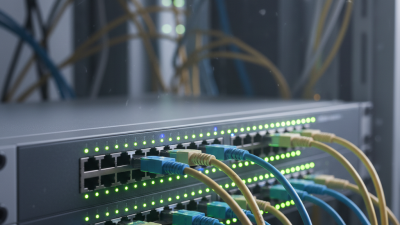
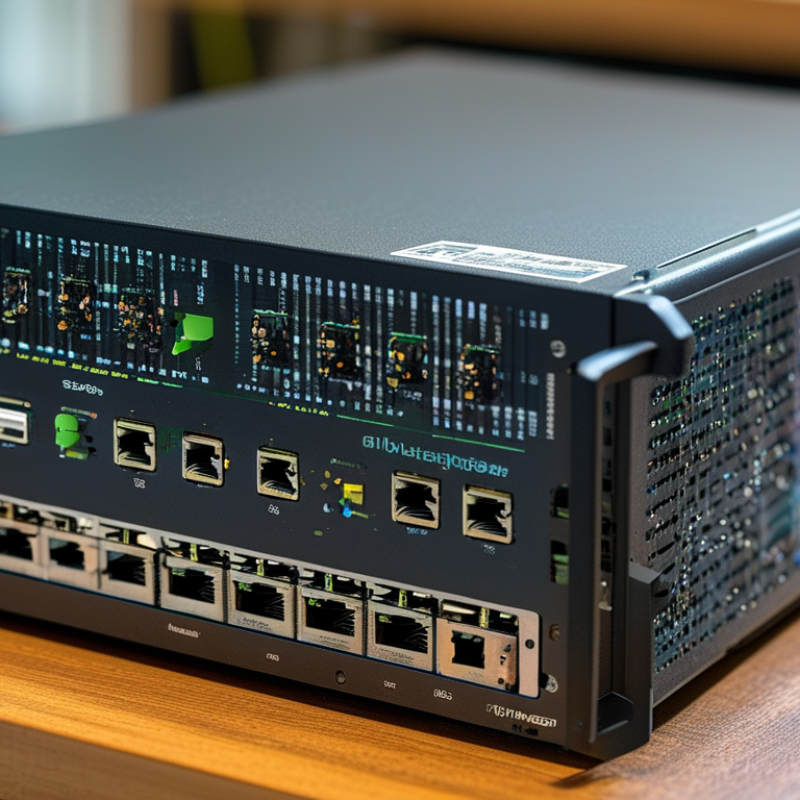
Ethernet switches are essential for modern networking needs. An Ethernet switch with SFP ports allows for flexible connectivity options. These ports can accept small-form-factor pluggable transceivers. With these, users can choose between copper or fiber connections based on distance and bandwidth needs.
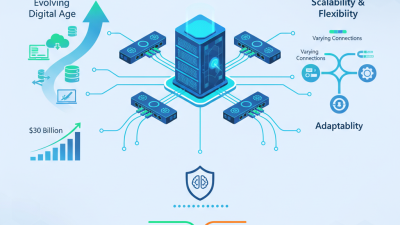
Industry studies suggest that around 83% of businesses are investing in networking infrastructure, often focusing on scalability. The global market for Ethernet switches was valued at approximately $26 billion in 2022. Choosing the right switch impacts both performance and future growth. A common challenge lies in balancing cost with the performance of SFP options. Some users may overlook this when selecting switches.
Many IT professionals report frustration with selecting the right port type. It’s crucial to understand specific network requirements. Transceiver types vary, affecting speed and distance. Fiber connections can support longer distances, while copper is often cost-effective for shorter runs. Review usable distance and transfer speeds to make informed choices. Understanding SFP ports is vital in optimizing network performance.
Key Factors to Consider When Choosing an Ethernet Switch
When selecting the best Ethernet switch with SFP ports, several key factors come into play. The speed of the network is crucial. Look for switches that support Gigabit speeds or higher. Bandwidth plays a big role in network performance. A switch with a higher capacity can handle more data without slowdown. This is vital for environments with heavy traffic.
Port density is another important aspect. Depending on your setup, you might need more ports. Evaluate how many devices will connect to the switch. It makes sense to plan for future expansion. Additionally, consider power consumption. An efficient switch can reduce energy costs over time.
Don't overlook reliability and durability. Quality switches often come with robust build quality. They may have features like cooling systems to prevent overheating. This can prevent future issues and outages. Compatibility with existing infrastructure is essential too. Ensure the switch can work seamlessly with your current network devices. Missing this step can lead to unexpected problems. Each factor requires careful consideration for optimal performance.
Types of SFP Ports and Their Compatibility
When selecting an Ethernet switch with SFP ports, understanding the different types of SFP modules is crucial. SFP, or Small Form-factor Pluggable, is a compact transceiver that facilitates the connection of networking equipment. There are several types of SFP modules, including standard SFP, SFP+, and SFP28. Each type has specific compatibility factors that affect performance and distance.
SFP modules typically support various optical and copper interfaces. For instance, standard SFP modules can transmit up to 1 Gbps, while SFP+ can handle up to 10 Gbps. It’s important to assess the distance requirements of your network. Optical modules cover longer distances, while copper modules are ideal for short distances within racks. Keep in mind that not all switches support every SFP type. Before purchasing, ensure compatibility with your existing equipment.
Always refer to the specifications of both the switch and the modules. Some switches may claim compatibility but require software updates for full functionality. There is no one-size-fits-all solution. Carefully evaluating your networking needs is essential. Your choice should reflect a balance between budget, technical requirements, and future scalability. Ignoring these factors could result in suboptimal performance or unwanted downtime.
Ethernet Switches with SFP Ports: Types and Compatibility
Performance Specifications to Evaluate for Your Needs
When selecting the best Ethernet switch with an SFP (Small Form-factor Pluggable) port, performance specifications play a crucial role. The data rate is one of the primary elements to evaluate. Most switches offer speeds ranging from 1 Gbps to 10 Gbps. According to industry reports, 10 Gbps switches are increasingly preferred for high-demand environments. Assessing your bandwidth needs is vital. A mismatched switch can lead to bottlenecks.
Port density is another important factor. Determine how many devices you plan to connect. A switch with fewer ports could limit future scalability. For many small to medium networks, an 8 to 24 port switch is adequate. However, larger setups might necessitate 48-port options. The number of SFP ports should also be evaluated. Having at least two is advisable for redundancy.
**Tip:** Look for switches with additional features like Layer 2 or Layer 3 capabilities. This can enhance network management.
Power consumption is often overlooked but critical. Some switches consume significantly more energy, impacting operational costs. Monitoring energy use can help in making eco-friendly decisions.
**Tip:** Consider checking for Energy Star certifications. This can guide you towards more efficient options.
Switch reliability is paramount. Research vendor reputation through user reviews. Make sure to compare warranty options. Access to technical support is also essential for ongoing reliability. Understanding these specifications will help you make an informed choice.
Tips for Installation and Maintenance of Ethernet Switches
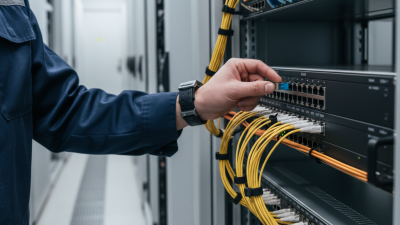
When installing Ethernet switches with SFP ports, attention to detail is crucial. According to a report by the International Data Corporation (IDC), improper installation accounts for 30% of network failures. This highlights the importance of following best practices in setup. Ensure your switch is placed in a well-ventilated area. Overheating can lead to performance issues. Use quality cables to ensure reliable connections. Low-quality Ethernet cables can result in significant data loss, impacting productivity.
Regular maintenance is equally important. A study from the Institute of Electrical and Electronics Engineers (IEEE) recommends conducting routine inspections every six months. Look for dust buildup around ports and clean them with compressed air. Remember, cable management matters. Poorly organized cables can lead to tangling and accidental disconnections. Additionally, monitor network performance for unusual spikes or drops. These could indicate potential failures.
Keep in mind that data security is a vital aspect of maintenance. Regularly update firmware to protect against vulnerabilities. A survey by Cybersecurity Ventures found that 60% of small businesses close within six months of a cyber attack. Evaluating your network's health proactively can prevent costly outages. Implementing these practices creates a reliable and efficient network environment.