Why Choose Ethernet Switch SFP Port for Your Networking Needs?
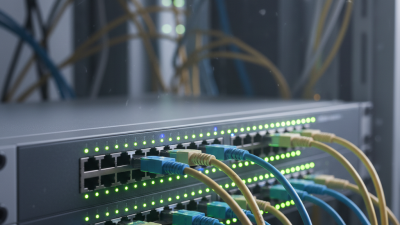
In the rapidly evolving world of networking, the choice of hardware is crucial. Ethernet Switch SFP Port technology stands at the forefront, providing flexibility and efficiency for diverse networking needs. Renowned industry expert John Taylor, an authority on networking solutions, once stated, “The adaptability of Ethernet Switch SFP Ports positions them as the backbone of modern networks.” This insight reflects the significance of SFP (Small Form-factor Pluggable) ports in enhancing connectivity.
These ports allow for easy integration of various transceivers, accommodating different types of connections. This versatility is vital for organizations seeking to future-proof their infrastructure. A well-chosen Ethernet Switch SFP Port can support both copper and fiber optic connections, catering to specific requirements. However, selecting the right model can be daunting given the myriad options available. It's not just about performance; it’s also about compatibility and scalability.
Networking needs vary greatly among businesses. Each setup has its unique challenges and potentials. Without thoughtful consideration, companies risk underutilizing their network’s capacity or overspending on unnecessary features. Evaluating the core needs before diving into a purchase is essential. As technology progresses, reflecting on these choices ensures that organizations maximize their investment in Ethernet Switch SFP Port technologies.
Understanding Ethernet Switch SFP Ports and Their Functionality
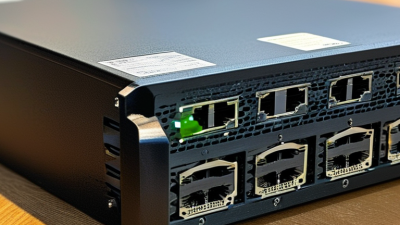
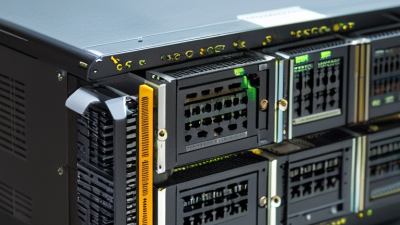
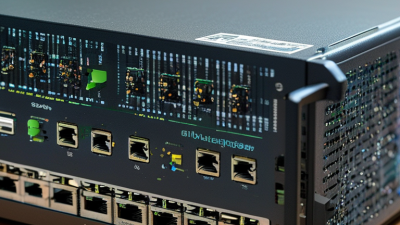
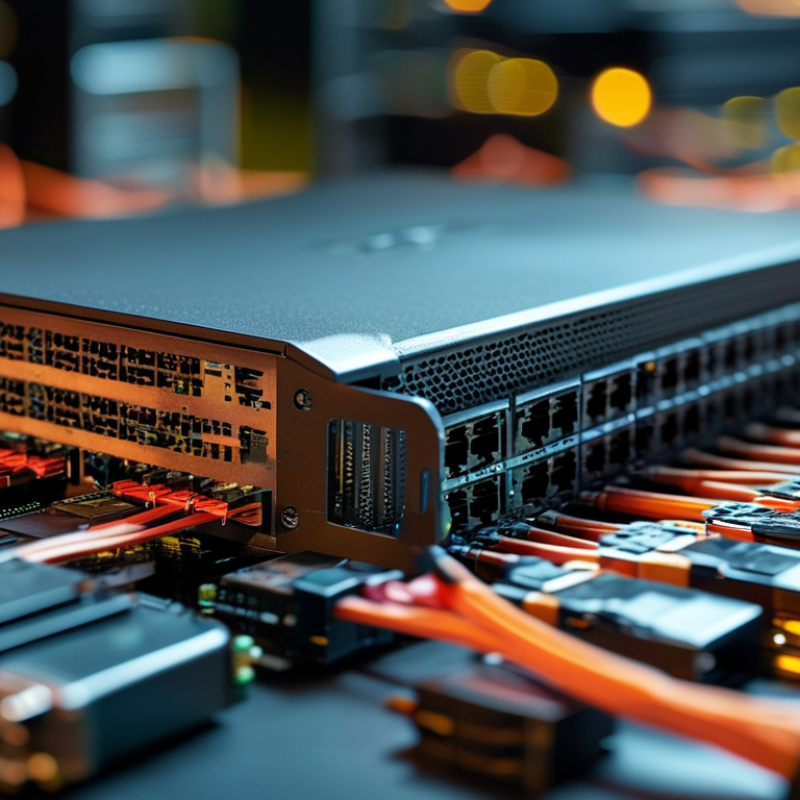
Ethernet switch SFP ports serve a critical role in networking. These ports support small form-factor pluggable (SFP) transceivers. They allow for versatile connectivity options. Different types of SFPs provide various network speeds and distances. This flexibility is crucial for adapting to specific network requirements.
Utilizing SFP ports can enhance network performance. They enable higher data rates through fiber optic cables. This can lead to reduced latency and improved bandwidth. However, some may find the complexity of choosing the right SFP daunting. It requires careful consideration of compatibility and network needs. Incorrect choices may lead to performance issues or increased costs.
SFP ports also promote scalability. As network demands grow, upgrading becomes easier. Swapping out transceivers can be done without replacing the entire switch. This adaptability can be beneficial for growing businesses. Still, it’s important to monitor and assess network performance regularly. Continuous evaluation ensures that the network meets evolving demands.
The Advantages of Using SFP Ports in Networking Solutions
Ethernet switches equipped with SFP ports offer significant advantages in modern networking. These ports allow for flexible connectivity solutions. You can easily swap out transceivers for different distances and speeds. This makes them ideal for varied networking environments, from small offices to large data centers.
One notable benefit of SFP ports is the ability to use fiber optics. Fiber connections provide higher bandwidth and longer distance capabilities than traditional copper cables. This is critical for businesses needing reliable, high-speed internet access. In addition, SFP modules are compact, saving space in networking setups.
When considering SFP ports, remember to assess your network's future needs. Planning for scalability is crucial. Choosing the right modules can facilitate easy upgrades as technology evolves. Also, ensure proper environmental conditions for both ports and cables. Overheating can lead to performance issues.
Monitoring your network’s performance is essential. Regular checks can prevent unexpected downtime. Software tools can help track the health of SFP connections, aiding in proactive maintenance. Paying attention to these details can enhance your network's reliability.
Advantages of Using SFP Ports in Networking Solutions
Comparing SFP Ports with Other Port Types: What You Need to Know
When choosing the right networking solution, understanding various port types is crucial. SFP (Small Form-factor Pluggable) ports offer unique advantages over traditional Ethernet ports. They support hot-swapping, allowing for easy upgrades and greater flexibility. A recent industry report highlighted that SFP modules can increase bandwidth up to 100 Gbps, which is essential for data-intensive applications.
Comparing SFP ports with other options like RJ45 Ethernet ports reveals significant differences. RJ45 ports typically support a maximum of 1 Gbps or 10 Gbps speeds. However, they lack the versatility of SFP ports. SFP modules can accommodate different media types, such as fiber or copper, depending on the networking needs. This adaptability makes SFP ports a favorite among network engineers.
Yet, not all installations require SFP ports. For smaller setups with limited traffic, standard Ethernet ports may suffice. They are typically easier to deploy and maintain, presenting a cost-effective solution for low-bandwidth environments. Understanding specific networking demands is vital for making educated choices. Balancing speed, cost, and scalability will lead to more reliable network performance over time.
Factors to Consider When Choosing an SFP-equipped Ethernet Switch
When selecting an Ethernet switch with SFP (Small Form-factor Pluggable) ports, several factors come into play. SFP ports support various transceiver modules, allowing flexibility in network speeds and distances. According to a recent market report, 70% of organizations prefer SFP-enabled switches for their scalability and adaptability. This capability ensures that network infrastructure can grow without needing a complete overhaul.
Network size is critical when choosing an SFP-equipped switch. A small business might benefit from a switch with fewer ports, while larger enterprises may require more ports to accommodate numerous devices. Quality of service (QoS) is another essential factor. In a report by the International Data Corporation, 59% of IT leaders indicate that QoS impacts productivity significantly. A switch with customizable QoS settings allows prioritizing critical applications like video conferencing.
Consider compatibility with existing equipment. Not all SFP modules work with every switch model. Researching compatibility can save time and resources. Underestimating this aspect can lead to frustrations. Also, consider future-proofing your investment. With trends pointing to increased data demands, an SFP switch can ensure you're ready for advancements. Balancing current needs and growth potential is vital for a sound decision.
Real-world Applications of Ethernet Switches with SFP Ports
Ethernet switches with SFP (Small Form-factor Pluggable) ports are increasingly popular in various networking environments. These devices are versatile and can adapt to different scenarios. In enterprise settings, for example, they enhance network efficiency by allowing for easy upgrades and flexibility. The ability to interchange SFP modules makes it simpler to adapt to changing bandwidth demands.
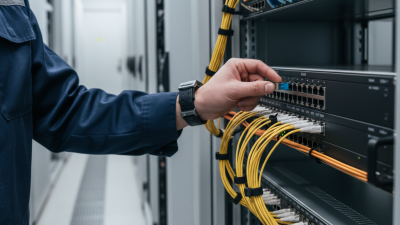
In data centers, SFP ports facilitate high-speed connections. They support fiber optic and copper connections alike, enabling precise configurations based on specific requirements. This adaptability helps businesses save costs and reduce downtime. However, selecting the right module can be challenging. Users should pay attention to compatibility and required distances.
For small businesses, SFP-equipped switches provide a cost-effective solution. These devices support evolving networking needs without necessitating complete overhauls. They allow for gradual upgrades as businesses grow. When considering these options, evaluating both current and future networking needs is crucial.
For optimum performance, regularly assess your network infrastructure. Keep an eye on bandwidth utilization and make timely upgrades. Ensure that all components work seamlessly. Maintain a clear inventory of SFP modules to avoid compatibility issues. This holistic approach is vital for a dependable network.