China Best Poe Ethernet Switches for Global Buyers Guide?
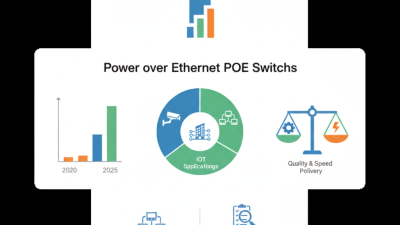
In recent years, the demand for PoE Ethernet switches has surged globally. These devices are essential for powering various network devices without the need for extra power cords. According to a report by MarketsandMarkets, the global PoE market is expected to grow from USD 4.45 billion in 2022 to USD 10.88 billion by 2027.
China stands at the forefront of producing advanced PoE Ethernet switches. With rigorous quality control and innovative designs, Chinese manufacturers are meeting the needs of international buyers. A study from Mordor Intelligence highlights that a significant portion of the global PoE market share is held by Asian manufacturers, solidifying their role in this industry.
However, not all products are created equal. Buyers often face challenges ensuring reliability and performance. Evaluating specifications, supplier reputation, and customer feedback is crucial for making informed decisions. Selecting the right PoE Ethernet switch can significantly impact network efficiency and reliability, making it a critical investment.
China's PoE Ethernet Switch Market Overview and Key Trends
China's PoE Ethernet switch market is experiencing significant growth. This is largely driven by the increasing demand for Power over Ethernet technology. Businesses are seeking efficient and cost-effective solutions for networking. PoE switches simplify cabling and reduce installation costs. They are becoming essential in smart buildings and IoT applications.
One key trend is the shift towards higher power capacities. Many buyers now require switches that provide more than just basic connectivity. They need devices that can support a range of applications, from security cameras to wireless access points. This trend highlights the need for manufacturers to innovate constantly. However, some vendors struggle to meet these evolving demands. This inconsistency can affect buyer confidence.
Another notable aspect is the focus on energy efficiency. Buyers are increasingly looking for PoE switches that minimize power consumption. This reflects a broader push towards sustainability. Yet, manufacturers face challenges in balancing performance and efficiency. Some products may not live up to expectations. As the market matures, transparency and reliable performance will be crucial for buyers.
Top Manufacturers of PoE Ethernet Switches in China: A Comparative Analysis
When exploring PoE Ethernet switches, China stands out in manufacturing. Many manufacturers offer a range of options catering to different market needs. They provide reliable products that meet international standards. This reliability guarantees that buyers can trust their performance in various applications.
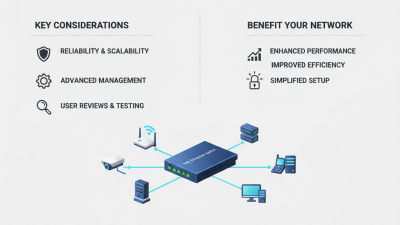
Key features of these switches include power delivery capabilities, port densities, and management options. Some manufacturers focus on cost-effective solutions, while others prioritize advanced features. This can create confusion for buyers trying to choose the best fit. Additionally, product availability may vary depending on regional distribution networks. Lack of comprehensive information about products can lead to challenges in making the right decisions.
Buyers may need to consider several aspects, including customer support, warranty terms, and specifications. Some manufacturers may not provide adequate documentation, which can complicate usage. Inconsistencies in quality control may also arise, leading to variable performance. For global buyers, understanding these factors is crucial for a successful procurement process. The landscape continues to evolve, prompting manufacturers to adapt and innovate, making it essential for buyers to stay informed and vigilant.
Technical Specifications to Consider When Choosing PoE Ethernet Switches
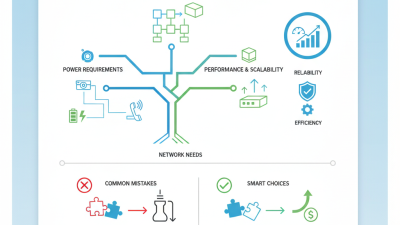
When choosing PoE (Power over Ethernet) switches, several technical specifications deserve attention. The total PoE power budget is crucial. This determines how many devices can be powered simultaneously. A switch with a higher power budget supports more devices. It's essential to assess the power requirements of your devices in advance.
Port density is another key factor. Higher port density allows for more devices without taking up too much space. Look for switches with at least 8 to 48 ports to accommodate future growth. Additionally, consider the switch's managed versus unmanaged capabilities. Managed switches offer more control and features like VLAN support and network monitoring. Unmanaged ones are simpler but lack flexibility.
Furthermore, pay attention to switching capacity. This affects how data flows through the network. A higher switching capacity ensures efficient performance, especially under heavy loads. Compatibility with existing network systems should also be evaluated. This includes checking for the right standards, such as IEEE 802.3af or 802.3at. Every detail counts in ensuring a reliable and efficient setup.
Cost-Benefit Analysis: Investing in Chinese PoE Ethernet Switches
When considering
PoE (Power over Ethernet) switches
from China, a detailed cost-benefit analysis is crucial. The global market for these switches is expected to grow at a
CAGR of 11% over the next five years, reaching an estimated
$3 billion by 2027.
This growth stems from the increasing demand for efficient networking solutions in
smart buildings and IoT applications.
Investing in
Chinese PoE Ethernet switches can be cost-effective. Reports indicate that these switches often have a lower price point compared to Western alternatives.
For instance, a typical Chinese PoE switch can be up to
40% cheaper.
However, potential buyers must assess
build quality and
reliability, which may not always meet international standards.
Certain features, such as
surge protection
and
heat management, are sometimes overlooked.
Quality assurance remains a concern.
A survey showed that
25% of users experienced issues with connectivity or power delivery in their switches.
This raises questions about long-term dependability and the potential need for replacements.
Investing in a robust warranty and support system is advisable.
Balancing immediate savings against possible long-term costs is vital for making informed purchasing decisions.
Global Distribution and Export Patterns of Chinese PoE Ethernet Switches
In the growing landscape of Ethernet technology, PoE (Power over Ethernet) switches are gaining traction globally. The distribution of these devices from China reflects a strategic focus on meeting international demand. Chinese manufacturers are enhancing product quality and adapting to different market standards. This evolution highlights a competitive edge in various regions.
Tips: Consider exploring regional preferences. Different markets may have unique needs for PoE functionality.
The export patterns indicate a strong inclination for bulk orders, especially in Asia and Europe. However, understanding local regulations is crucial. Import requirements can vary significantly. Businesses must conduct thorough research to avoid potential compliance issues.
Tips: Stay informed about market trends. This knowledge will assist in more effective purchasing strategies. Choose suppliers that prioritize quality and compliance.