Why Choose Poe Ethernet Switches for Your Networking Needs?
Choosing the right networking equipment is crucial for any organization. One option gaining popularity is Poe Ethernet Switches. These devices provide power and data over a single cable. This feature simplifies setups and reduces clutter. It is especially useful for devices like IP cameras and wireless access points.
Poe Ethernet Switches ensure that devices remain functional during power outages. This attribute enhances security and reliability, fundamental aspects any business should prioritize. Additionally, these switches can adapt to various network sizes and requirements, offering scalability. Their versatility makes them appealing for different environments, from small offices to large enterprises.
While Poe Ethernet Switches present many benefits, selecting the right model requires careful consideration. Not every switch suits every need. Evaluating factors like port counts, power budgets, and compatibility with existing infrastructure is vital. Inadequate planning could lead to inefficiencies or increased costs down the line. Therefore, approaching this decision with a thoughtful mindset is essential.
Understanding Poe Technology and Its Benefits
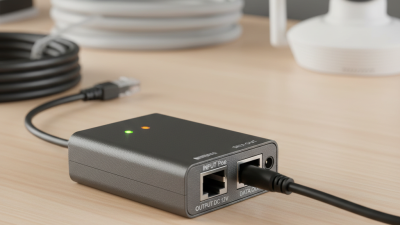
Power over Ethernet (PoE) technology transforms how networks operate. It allows both data and electrical power to flow through a single Ethernet cable. This innovation eliminates the need for separate power sources and simplifies installations, especially in hard-to-reach areas. For instance, you can power cameras, access points, and smartphones all through the same cable. Not only does this reduce clutter, but it also cuts down on installation time.
One significant benefit of PoE is its adaptability. It supports a variety of devices, creating a flexible networking environment. However, it does have limitations. Not all devices support PoE, which may lead to compatibility issues. Also, distance matters; the power provided decreases over longer cable runs. It's crucial to plan your network carefully to avoid these pitfalls.
Using PoE can enhance network reliability. In critical situations, power loss can disrupt connectivity. PoE devices often have integrated backup capabilities to mitigate this risk. Yet, overloading a PoE switch can result in performance drops. Users must monitor power consumption to ensure stability. Being aware of these challenges can lead to smarter network choices.
Key Features of Poe Ethernet Switches
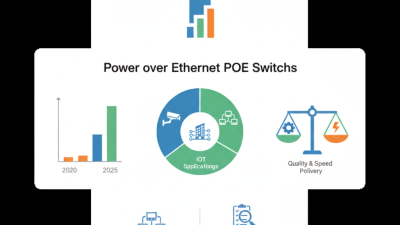
PoE Ethernet switches are becoming essential in modern networking solutions. Their ability to deliver power over Ethernet cables simplifies installation. This reduces clutter and minimizes cable runs for devices such as IP cameras and wireless access points. According to a report from Markets and Markets, the PoE market is projected to reach $16.73 billion by 2026, highlighting its growing importance in the industry.
Key features of PoE Ethernet switches make them a smart choice. They come with varying power budgets, allowing users to power multiple devices simultaneously. A typical PoE switch can deliver up to 15.4 watts per port. This capacity is crucial for devices like VoIP phones and surveillance systems. Additionally, many PoE switches support management features. These include VLAN support and Quality of Service (QoS) settings, which enhance network efficiency.
Consideration must be given to installing these switches at scale. Factors like power distribution and heat output can pose challenges. In larger networks, ensuring proper power allocation is vital. The design of a PoE solution must accommodate future scalability. Users should analyze their current and projected networking needs. Balancing immediate requirements with long-term growth potential ensures a robust network infrastructure.
Applications of Poe Ethernet Switches in Modern Networking
Power over Ethernet (PoE) switches simplify modern networking by combining data and power transmission into a single cable. This capability streamlines the setup of devices like IP cameras and VoIP phones, reducing clutter and installation time. These switches are vital in environments where electrical outlets may not be convenient, such as in warehouses or outdoor installations. Often, the inclusion of PoE technology helps organizations optimize their workspace and improve overall efficiency.
In smart building applications, PoE switches enable quick deployment of connected devices. Lighting systems can also utilize PoE, allowing for easier management and energy efficiency. Increasingly, businesses are looking for ways to reduce operational costs. By leveraging PoE switches, they can cut down on power supply needs and streamline their infrastructure. However, it is essential to ensure that the power budget is managed appropriately, as exceeding it can lead to network instability.
Some organizations may initially overlook the installation complexity. While PoE can provide many benefits, a poorly planned implementation can expose the network to risks. For instance, compatibility issues may arise with older devices, highlighting the importance of thorough research. Selecting the right PoE switch for specific needs can help mitigate potential challenges. Though the technology is powerful, its success depends on careful consideration and strategic application within the network design.
Comparing Poe Ethernet Switches with Traditional Switches
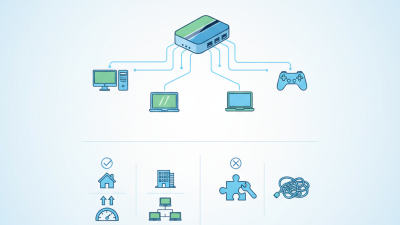
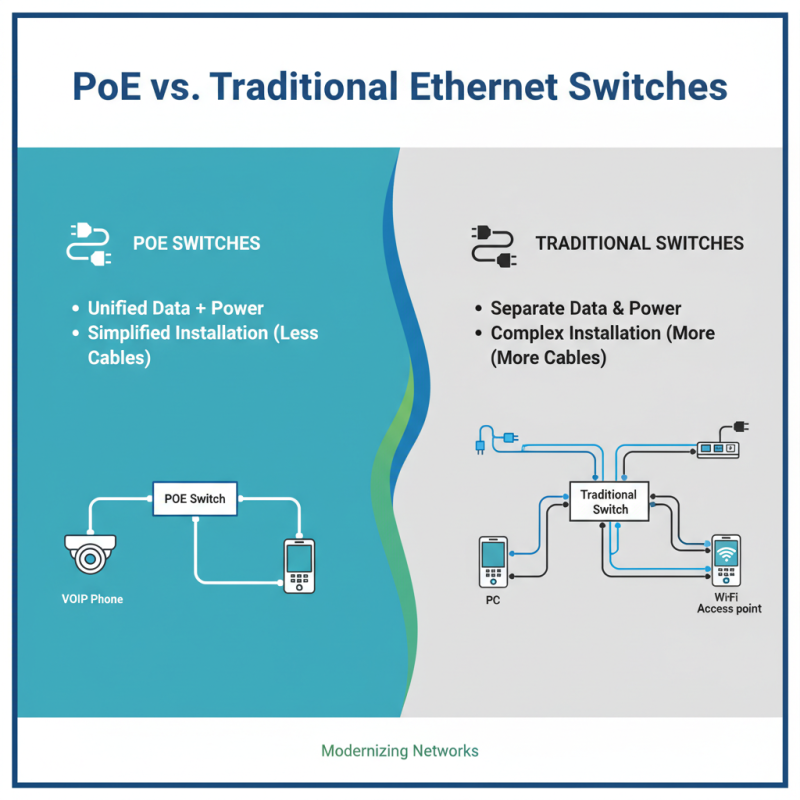
When evaluating networking needs, it's essential to compare PoE (Power over Ethernet) switches with traditional switches. PoE switches play a crucial role in modern networking by delivering both data and power through a single cable. This unified approach simplifies installations and reduces clutter, which is often a significant issue with traditional switches that require separate power sources.
In a recent industry report, it was found that organizations employing PoE technology experienced an average of 30% reduction in installation and maintenance costs. Traditional switches often necessitate additional electrical infrastructure, which can escalate expenses and complicate setups. For example, deploying a surveillance system with traditional switches typically involves multiple power outlets and cabling routes. This complexity not only increases costs but can also lead to installation errors and challenges in network scalability.
Moreover, PoE switches provide flexibility that traditional switches lack. They support devices such as IP cameras, wireless access points, and VoIP phones, allowing for more dynamic network configurations. However, there are some limitations. Not all PoE switches support the latest standards, which can affect performance. Additionally, network administrators need to be aware of the power budget, as exceeding limits can risk device functionality. Hence, while PoE switches present numerous advantages, thoughtful consideration is necessary when choosing the right solution for your networking needs.
Factors to Consider When Choosing a Poe Ethernet Switch
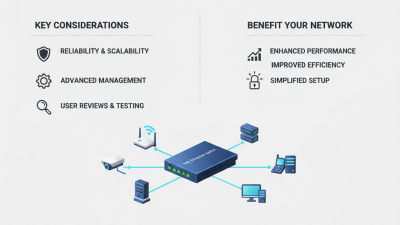
When selecting a PoE Ethernet switch, several vital factors come into play. Power over Ethernet (PoE) technology simplifies cable management by combining power and data transmission through a single cable. This is particularly useful in environments that require minimal wiring, such as offices or industrial settings. Ensure that you determine the total power budget needed for your devices before purchasing. Miscalculating this can lead to device failures or inadequate performance.
Next, consider the number of ports required. Assess the current and prospective devices you plan to connect. An adequate number of ports is essential for scalability. For instance, a switch with fewer ports may lead to bottlenecks if your network grows. Additionally, pay attention to the switch's specifications regarding speed and data transfer. A switch that supports gigabit speeds can future-proof your network against demanding applications.
Reliability is another crucial aspect. Look for switches that offer robust build quality and features such as redundancy. These features can prevent downtime in critical situations. Even with high-quality equipment, be prepared for occasional hiccups. Assessing the level of support offered by the manufacturer or provider can save you time and frustration in the long run. Balancing these factors will lead to a better decision, aligning your choice with your unique networking requirements.