10 Essential Tips for Choosing Poe Ethernet Switches Today?
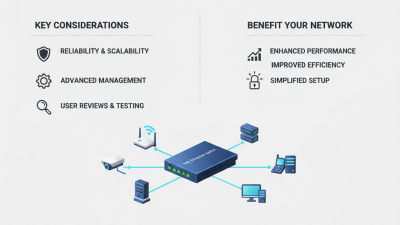
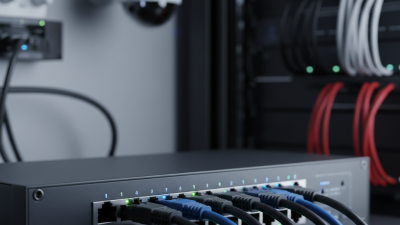
Choosing the right Poe Ethernet Switches can significantly impact your network's performance and reliability. With the demand for high-speed connectivity on the rise, understanding the essentials becomes crucial. These switches not only transmit data but also deliver power over Ethernet, eliminating the need for additional power sources. This dual capability is vital for various devices, including IP cameras and wireless access points.
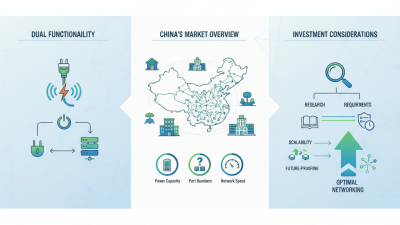
As technology evolves, the market offers various options. Not all Poe Ethernet Switches are created equal. Factors like power budget, port count, and network speed are essential considerations. It’s easy to overlook these details, but they can affect your setup's efficiency. An underpowered switch could lead to device failures or poor performance.
Investing time in research is necessary. Taking shortcuts might result in a mismatched switch for your needs. Evaluating features and user reviews can provide valuable insights. Each decision made here directly influences your network's reliability. Ultimately, making an informed choice will lead to a more robust and efficient network environment.
Understanding PoE Technology and Its Benefits
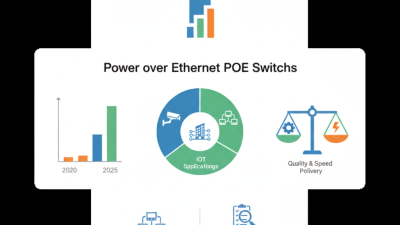
Power over Ethernet (PoE) technology has transformed the way devices receive power and data. Instead of using separate cables for power and data, PoE enables devices like IP cameras and wireless access points to operate through a single Ethernet cable. This convenience simplifies installations and reduces clutter, especially in hard-to-reach areas.
Understanding the key benefits of PoE technology is essential. It allows for flexible device placement, as you are not limited by power outlets. This flexibility can be crucial in business environments where aesthetics and functionality must align. Additionally, PoE can reduce overall installation costs. Fewer cables mean labor savings and fewer materials needed. However, it's vital to assess the power requirements of your devices. Not all PoE switches can deliver the necessary wattage for high-demand devices.
While PoE offers numerous advantages, not every setup may benefit equally. Consideration of your network's specific demands is necessary. Sometimes, traditional methods may still be preferable for certain installations. Understanding these nuances can aid in making informed choices tailored to your unique needs.
Identifying Your Network Requirements for PoE Switches
When selecting PoE (Power over Ethernet) switches, it's crucial to evaluate your network requirements. Understand the number of devices you plan to connect. Are you incorporating IP cameras, VoIP phones, or wireless access points? Each device may require different power levels. Calculate the total power consumption to ensure your switch can supply it.
Consider the bandwidth needs of your network. A switch with higher throughput can prevent bottlenecks, especially in crowded networks. Take note of the number of ports you need. Selecting a switch with extra ports can be beneficial for future expansions. Cable distances matter as well; PoE has range limitations, affecting placement decisions.
After identifying these needs, think about the managed versus unmanaged switch options. Managed switches provide greater control and monitoring capabilities but require technical knowledge. Unmanaged options are easier but lack flexibility. It’s crucial to weigh the benefits against your capabilities. Make choices that align with your long-term network strategy. Ignoring these factors may lead to costly downgrades or upgrades down the line.
Comparing Different Types of PoE Switches Available Today
When selecting PoE (Power over Ethernet) switches, understanding the different types available is key. PoE switches mainly fall into two categories: standard and managed. Standard PoE switches offer a straightforward approach, providing power and data through Ethernet cables without complex configurations. They serve well for small installations but can limit scalability.
On the other hand, managed PoE switches deliver advanced features. They allow for monitoring and control of power output. Recent reports indicate that managed PoE switches are used in over 60% of medium to large enterprises. This highlights a shift towards greater control and intelligence in network management.
Despite their benefits, choosing the right switch can be challenging. The market is saturated, and specifications can be confusing. Experts suggest evaluating power budget and port configuration before purchasing. A miscalculation here could lead to underpowering devices or overpaying for excess capacity. Balancing costs with performance is essential in making a sound decision.
Evaluating Performance Factors: Power, Speed, and Efficiency
When selecting PoE Ethernet switches, evaluating performance factors is crucial. Start by assessing power delivery. Choose switches that can provide adequate power to all connected devices. Consider the total wattage to avoid overloading. Insufficient power can lead to device failures and unexpected downtime.
Speed is another critical aspect. Look for switches that support high data transfer rates. Gigabit speeds are often ideal for most applications. This ensures smooth operation for devices like IP cameras and VoIP phones. Check the switch's speed compatibility with your existing network equipment.
Efficiency should not be overlooked. Opt for switches with energy-saving features. These can reduce operational costs and environmental impact. Also, investigate how heat is managed. Excess heat can degrade performance over time. Cooling mechanisms are often a sign of a well-designed switch.
In summary, careful consideration of power, speed, and efficiency leads to better choices. Approach your selection with an eye for detail and an understanding of your unique needs.
Budget Considerations: Cost vs. Features in PoE Switches
When selecting PoE (Power over Ethernet) switches, it's essential to balance budget considerations with features. While a low price may seem appealing, investing in a robust PoE switch tends to offer better long-term value. Don’t overlook critical features like power output, port count, and management capabilities. A cheaper option might not meet your growing network needs.
Assess your budget carefully against your requirements. Some switches provide advanced management features, like VLAN support or Layer 3 routing. These can enhance your network’s efficiency but may come at a higher cost. Evaluate whether these features are necessary for your current situation. If not, a simpler model might suffice.
Consider future scalability as well. A switch that meets your current needs may quickly become obsolete. Choosing a model with slightly higher specifications could safeguard against future expenditures. Remember, the right PoE switch should align with your objectives, ensuring that features justify any extra cost. Consider your current and future needs holistically for the best choice.
Cost vs. Features in PoE Switches