What is Poe Devices and How Do They Work in Modern Technology?
Poe Devices have transformed how we approach power and data transmission in modern technology. According to a report by MarketsandMarkets, the global Power over Ethernet market is projected to reach $20 billion by 2025. This growth highlights the increasing reliance on Poe Devices in various sectors, including telecommunications and smart buildings.
Experts emphasize the significance of these devices. Dr. Jane Ellis, a leading authority in network technology, states, "Poe Devices are revolutionizing how we connect and power our devices seamlessly." These devices allow electrical power and data to be delivered through a single cable, simplifying installation and reducing costs. However, not all setups fully leverage this technology's potential. Some organizations still struggle with optimizing their systems.
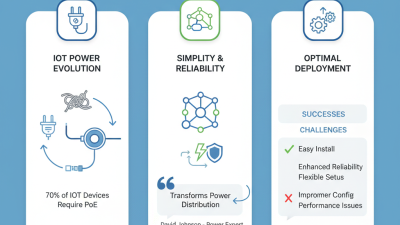
Understanding Poe Devices is crucial for technology advancements. They not only optimize energy use but also support emerging applications in IoT and automation. Companies need to address challenges related to compatibility and infrastructure to maximize benefits. The ongoing evolution of Poe technology necessitates thoughtful integration into existing networks.

Overview of Poe Devices: Definition and Purpose
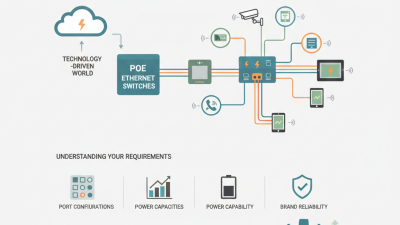
Power over Ethernet (PoE) devices have become essential in modern technology. They combine data and power transmission into a single cable. This innovation simplifies the installation of network devices, such as IP cameras, wireless access points, and VoIP phones. According to a report by MarketsandMarkets, the global PoE market is projected to reach $21.4 billion by 2026, highlighting its increasing importance.
The main purpose of PoE devices is to provide power to devices in locations where access to electrical outlets may be limited. They can deliver up to 30 watts of power per port. This capability is crucial in settings like smart buildings and remote locations, where installation costs for electrical infrastructure can be prohibitive. Utilizing PoE reduces clutter, streamlines setups, and enhances safety in workspace environments.
Tip: When choosing PoE devices, consider the distance limitations. The standard Ethernet cable can support PoE up to 100 meters.
Despite the advantages, challenges remain. Not all devices are compatible with PoE standards. Users may face issues with insufficient power output for high-demand devices. Research from Cisco indicates that only 30% of businesses have fully integrated PoE into their networks. This suggests a significant gap in adoption, which may stem from a lack of understanding or technical expertise.
Tip: Regular training sessions can help staff stay updated on new technologies like PoE.
What is Poe Devices and How Do They Work in Modern Technology?
| Dimension |
Description |
Benefits |
| Power over Ethernet (PoE) |
A technology that allows network cables to carry electrical power along with data. |
Simplifies wiring and reduces installation costs. |
| PoE Standards |
IEEE 802.3af, 802.3at (PoE+), and 802.3bt (PoE++) define the power transmission capabilities. |
Ensures compatibility and efficiency across devices. |
| Applications |
Used primarily in IP cameras, wireless access points, and VoIP phones. |
Enables easy deployment in various environments. |
| Installation |
Can be installed within existing networks without significant changes. |
Reduces downtime and lowers infrastructure costs. |
| Advantages |
Cost-effectiveness, flexibility, and scalability in network design. |
Supports modern technology demands and expansions. |
The Evolution of Poe Technology in Modern Systems
Power over Ethernet (PoE) technology has significantly evolved in recent years. This innovation simplifies networking by combining data transfer and power supply over a single cable. Businesses have rapidly adopted PoE for its efficiency. Installing multiple devices with separate power sources is no longer necessary.
Modern systems utilize PoE to enhance smart building capabilities. Surveillance cameras, access points, and IoT devices benefit from PoE technology. This integration leads to cleaner installations and reduced costs. However, some challenges remain. Not all devices are compatible, leading to connectivity issues. Troubleshooting can be complicated when problems arise.
Moreover, the implementation of PoE can present power management concerns. Overloading circuits can cause malfunctions. Understanding power budgets is essential for optimal performance. Balancing power consumption between devices needs careful planning. Continuous learning about these aspects ensures that users can adapt to the evolving PoE landscape.
How Poe Devices Function: Technical Mechanisms Explained
Power over Ethernet (PoE) technology plays a critical role in modern networking. It enables both data and electricity to be transmitted via a single Ethernet cable. This dual functionality simplifies installations and reduces cabling costs. According to a report by the International Data Corporation (IDC), the global market for PoE-enabled devices is expected to reach $25 billion by 2025. This shift illustrates the growing dependence on PoE technology for powering devices in various sectors.
The technical mechanisms behind PoE are fascinating. PoE operates using two standards: IEEE 802.3af and IEEE 802.3at. These standards allow devices to receive up to 15.4 watts and 30 watts, respectively. Such efficiencies create opportunities for diverse applications. Security cameras and wireless access points are common PoE implementations. A notable 80% of enterprises reported improvements in their network efficiency after transitioning to PoE systems. However, challenges such as power limitations and compatibility issues still linger.
In practice, PoE systems require careful planning. Overloading a single cable can lead to failures. Moreover, existing network infrastructures may need upgrades to support PoE technology. A lack of uniformity in standards can complicate interoperability between devices. As organizations seek to expand their networks, the complexity of PoE integration highlights the need for skilled professionals in this evolving field.
Applications of Poe Devices in Various Industries
Power over Ethernet (PoE) devices have transformed various industries through enhanced efficiency. In smart buildings, PoE enables seamless power supply to devices like cameras and access points. This integration reduces electrical installation complexity and lowers costs. Administrators appreciate the neatness and reduced wiring clutter. However, not all networks are optimized for this technology.
In healthcare, PoE technology supports critical equipment. Devices like VoIP phones and monitoring systems rely on stable power sources. This reliability can be lifesaving in emergencies. Yet, ensuring network security is crucial. Vulnerabilities in PoE networks can be exploited, potentially endangering patient data.
Retail environments benefit from PoE as well. Digital signage and inventory tracking tools thrive on stable power and data connectivity. These systems enhance customer engagement and provide real-time updates. However, the scalability of PoE may pose challenges for expanding businesses. Insufficient bandwidth can limit growth and efficiency. Industries must find a balance between innovation and reliability.
Benefits and Challenges of Implementing Poe Technology
Power over Ethernet (PoE) technology offers many advantages, particularly in modern networking. One notable benefit is its cost-effectiveness. According to a report by the International Data Corporation (IDC), companies can save up to 30% on installation costs by using PoE. This is because it removes the need for additional electrical wiring, reducing the complexity of setup. PoE simplifies installations, making it easier for businesses to expand their networks efficiently.
Despite these benefits, implementing PoE technology presents challenges. Notably, power limitations exist. PoE can deliver up to 15.4 watts per port in its standard form. However, this may be inadequate for devices with higher power requirements, such as video conferencing equipment. The IEEE has observed that the demand for power-hungry devices is increasing, leading to potential bottlenecks in power distribution. Moreover, as networks scale, ensuring reliability becomes critical. Network failures can lead to downtime, causing significant productivity losses.
Another aspect to consider is compatibility. Not all legacy devices support PoE, leading to additional costs for upgrading. This transition to PoE can disrupt existing workflows. According to research from the Ethernet Alliance, about 40% of organizations face integration challenges when adopting new technologies. These complexities highlight the importance of careful planning when implementing PoE systems. Businesses need to assess both their current needs and future growth to avoid pitfalls.