2026 How to Choose the Best Poe Ethernet Switches for Your Needs?
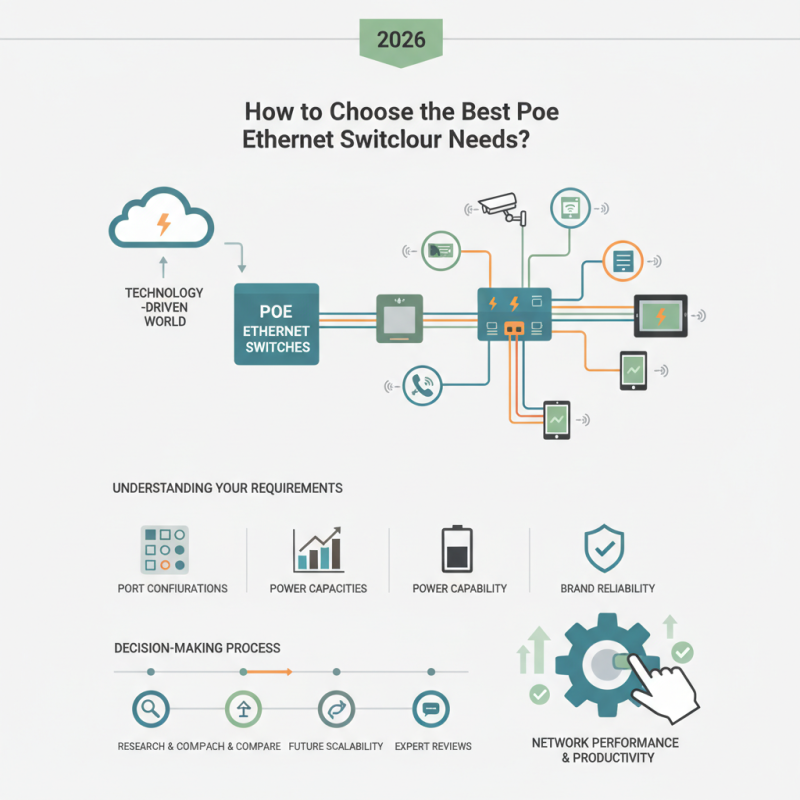
In today's technology-driven world, selecting the right Poe Ethernet switches is crucial for efficient networking. These devices supply power and data over Ethernet cables, simplifying installations. However, the sheer variety of Poe Ethernet switches can be overwhelming. Each option boasts different features and specifications that cater to specific needs.
Understanding your requirements is key to making an informed decision. You may need switches with unique port configurations or certain power capacities. Certain brands are more reliable, while lesser-known options might not meet expectations. Conducting thorough research and comparing products ensures you find a switch that aligns with your goals. Remember, not every product marketed as “best” truly fits your situation.
The decision-making process requires careful thought. Consider future scalability and integration with existing systems. Reflect on what truly matters for your network's performance. An incorrectly chosen switch can lead to inefficiencies. Engaging with expert reviews and testimonials can help clarify uncertainties. Ultimately, the right Poe Ethernet switches empower your network, enhancing both performance and productivity.
Understanding Power over Ethernet (PoE) Technology
Power over Ethernet (PoE) technology simplifies network setups by allowing data and electricity to travel through a single Ethernet cable. This innovation is particularly useful for devices like IP cameras, VoIP phones, and wireless access points. Instead of needing separate power sources, PoE creates a streamlined system. However, selecting the right PoE Ethernet switch for your needs is crucial.
When assessing your options, consider the power budget. Each connected device has specific power requirements. Inadequate power can lead to performance issues or device failures. Additionally, you should evaluate the number of ports. If you plan to expand your network in the future, having extra ports can save you from costly upgrades.
Tips: Always check PoE standards (IEEE 802.3af, 802.3at, or 802.3bt) to ensure compatibility. Some users overlook this detail, leading to connectivity problems. Remember that not all devices require the same voltage. Understanding these nuances can help tailor your choice effectively. Don’t hesitate to consult with a network professional if unsure. Missteps can cause disruptions in your network, impacting overall performance.
Types of PoE Ethernet Switches: A Comprehensive Overview
When selecting the best PoE Ethernet switches, understanding the types available is crucial. PoE switches generally fall into two categories: unmanaged and managed switches. Unmanaged switches offer simple plug-and-play functionality. They are ideal for smaller networks or straightforward setups. Statistics indicate that unmanaged PoE switches constitute nearly 60% of the market. They are popular for basic applications, such as powering IP cameras.
On the other hand, managed switches provide advanced features and greater control. They allow monitoring and configuring ports, which is essential for larger setups. According to market research, managed PoE switches are gaining traction, with a growth rate of 15% annually. These switches cater to complex network environments that require Quality of Service (QoS) settings. However, their setup can be challenging for users without technical expertise.
Another type worth mentioning is the PoE injector. This device adds PoE capability to non-PoE devices, providing flexibility in network design. They serve as an affordable option when a full switch isn't necessary. Yet, they may not deliver the same bandwidth, creating potential bottlenecks. Choosing the right PoE Ethernet switch depends on your specific needs and network complexity.
Comparison of Different Types of PoE Ethernet Switches
This bar chart illustrates the number of ports available in different types of PoE Ethernet switches, providing an overview of the options based on functionality and capacity.
Key Factors to Consider When Choosing PoE Ethernet Switches
Choosing the right PoE (Power over Ethernet) switch can be challenging. Start by evaluating your power requirements. Different devices need varying power levels. Make sure to check the wattage each device consumes. This step is crucial to avoid future power issues.
Next, consider the number of ports you need. A switch with more ports offers flexibility for expansion. However, buying more than required can waste resources. Always plan for both current and future needs. Look for switches that provide a manageable balance between port count and budget.
Additionally, think about network speed. Gigabit speeds are the standard now, but assess if your infrastructure supports that. Review the distance limitations of your cabling as well. A well-planned setup accommodates growth and avoids performance snags. This attention to detail ensures reliable connectivity and power distribution.
Assessing Your Network’s Power and Data Requirements
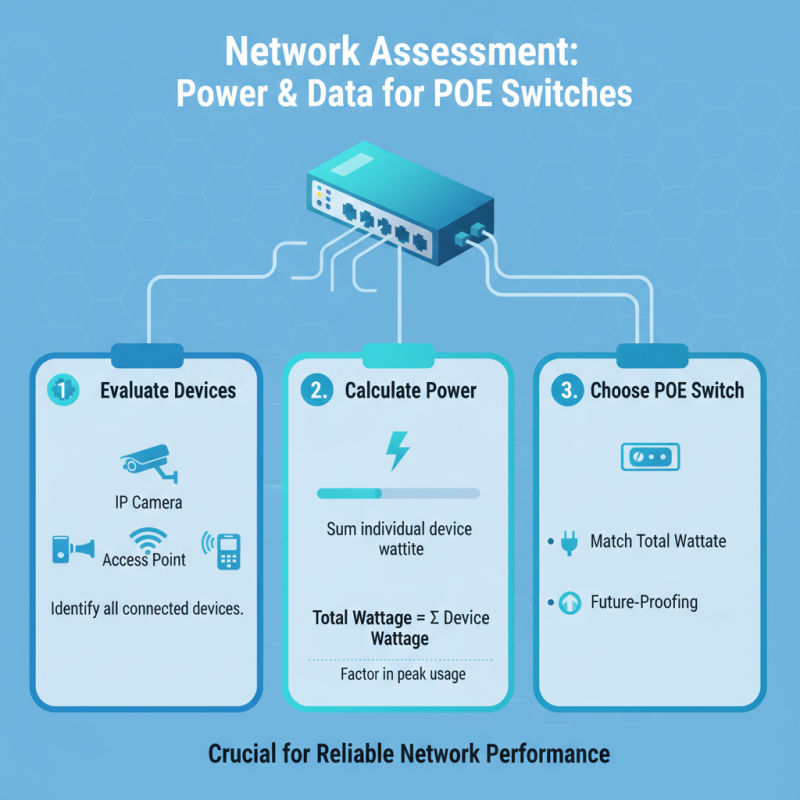
Assessing your network's power and data requirements is crucial when selecting a Poe Ethernet switch. Start by evaluating the devices you plan to connect. Consider their power needs. Common devices like IP cameras or access points may require varying amounts of power. Identify the total wattage you will need to sustain all devices simultaneously.
Next, think about your data requirements. Measure the bandwidth for each device and the overall network traffic. Are you streaming high-definition video, or is your network primarily handling smaller data packets? This distinction will affect the switch you choose. There might be a temptation to overspend on features you don't need. It's essential to be realistic about your network's demands.
Additionally, always account for growth. If you plan to expand your network, ensure the switch can accommodate additional devices. Some users overlook future needs, leading to additional costs down the line. Reflect on the scalability of your setup. Making informed choices today can prevent headaches tomorrow. Balancing power and data requirements is not just about immediate needs; it's about future-proofing your network.
Future-Proofing: Ensuring Compatibility and Scalability
When selecting Poe Ethernet switches, future-proofing is essential. Consider compatibility with existing devices. You want a switch that can adapt easily as technology evolves. Assess the specifications of current equipment to ensure seamless integration. Different standards, like IEEE 802.3af or 802.3at, may impact functionality and performance. It’s crucial to choose a switch that matches your needs today and can accommodate tomorrow’s advancements.
Scalability should also be a key concern. Anticipate future growth in your network. Will you need more devices connected over time? Plan for additional ports and higher power output. Select switches that offer a modular approach, allowing you to expand without significant investment. This strategy not only saves money but also enhances flexibility.
Finally, remember the varying power requirements of your devices. Some may need higher wattage, while others are more modest. Researching individual device needs can prevent issues down the line. The right Poe switch should not just meet current demands but be capable of evolving with your network. Balancing these factors requires careful thought and occasional trial and error.