Essential Tips for Choosing Power Over Ethernet Cord?
In the realm of modern networking, choosing the right Power Over Ethernet Cord can significantly impact performance and reliability. According to a recent report by the Ethernet Alliance, the demand for PoE technology has surged by over 25% annually. This increase reflects the growing reliance on integrated systems for both power and data transmission.
Experts agree on the importance of selecting quality cables. James Green, a leading figure in telecommunications, once stated, "The right Power Over Ethernet Cord ensures not just connectivity but also the efficiency of devices." His insights emphasize the critical role that these cords play in maintaining optimal system function. Cables that are poorly constructed can lead to overheating and outages.
When considering your options, it’s essential to evaluate specifications like length, gauge, and shielding. The right choices can prevent performance issues. However, the market is flooded with options, making it easy to get overwhelmed. Each detail matters in ensuring that your system remains reliable.
Understanding Power over Ethernet (PoE) Technology
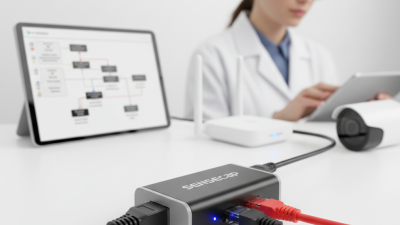
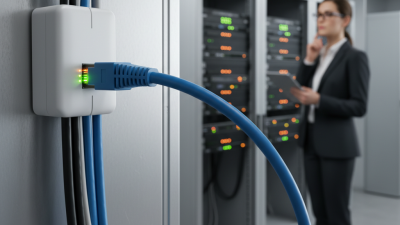
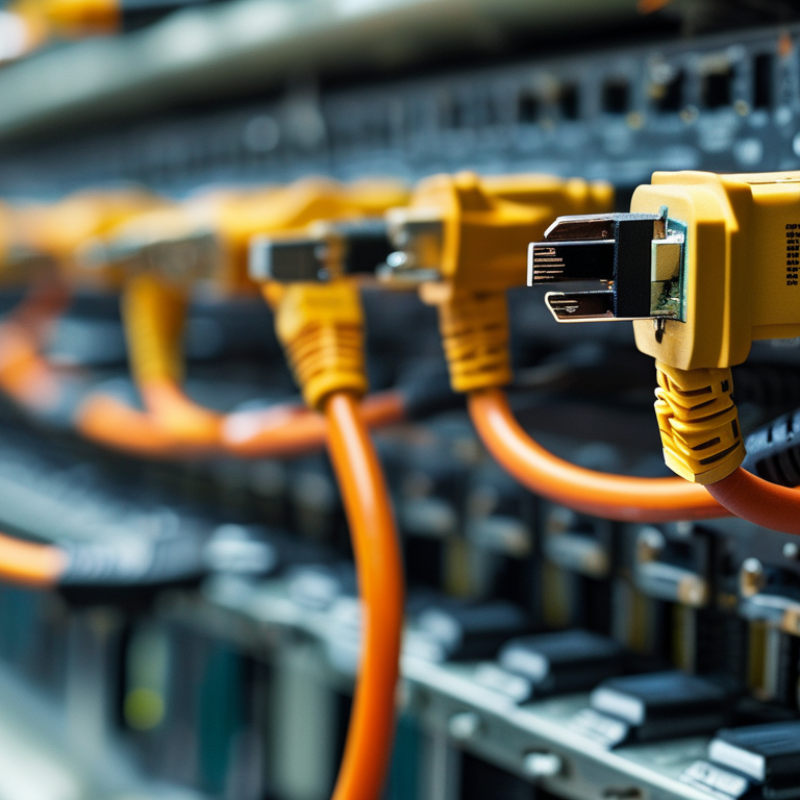
Power over Ethernet (PoE) technology simplifies connections for devices like IP cameras and access points. It enables both power and data transmission over a single Ethernet cable. This innovation reduces the need for multiple cables, allowing for a cleaner workspace. Understanding this blend of power and data helps in making informed choices about cabling.
When choosing a PoE cord, consider the power requirements of your devices. Different devices demand varying wattages. Ensure your cord can supply sufficient power. Look for compatibility with PoE standards like IEEE 802.3af or IEEE 802.3at. These standards dictate how much power the cable can deliver. Not all cords are created equal, leading to potential mismatches. This may lead to devices underperforming or even failing.
It's also wise to consider the cable's length and environment. Longer cables can lead to power loss, impacting performance. If using outdoors, ensure the cord is rated for weather resistance. Quality matters, as subpar cords can lead to heating issues or data loss. Always seek reliable sources for your cords.
Key Factors to Consider When Selecting PoE Cords
When selecting Power Over Ethernet (PoE) cords, understanding key factors is crucial.
The cable's category matters significantly. For most applications, Cat5e or higher is recommended. These categories support various power levels and data speeds. Remember, using lower-quality cables can lead to performance issues.
Another important consideration is the cable length. PoE cords generally work best under 100 meters. Beyond this distance, power delivery can weaken, affecting device performance. Ensure your installation needs fit within this range to avoid potential setbacks. Sometimes it's easy to overlook this detail, but it can save much frustration later.
You should also consider cable shielding. This protects against electromagnetic interference, which is beneficial in crowded environments. Unshielded cables may suffice for simple setups, yet shielding ensures reliability in complex network layouts. Not all situations need the highest quality, but investing in decent shielding leads to long-term stability. Make informed choices and reflect on each aspect for optimal results.
Evaluating Cable Length and Compatibility Requirements
When choosing a Power over Ethernet (PoE) cord, cable length is crucial. The maximum distance for PoE is generally 100 meters. Beyond this, power and data quality can degrade. A report from the Institute of Electrical and Electronics Engineers indicates that using cables longer than recommended can lead to unexpected failures. It's vital to assess how far your devices are from your network switch or PoE injector.
Compatibility also plays a significant role in selecting the right PoE cord. Not all Ethernet cables support PoE standards. For instance, Cat5e cables can carry power but may not deliver optimal performance for high-speed applications. According to a research study published by the Telecommunications Industry Association, using lower category cables for PoE devices can result in power loss of more than 10%. This inefficiency can impact device functionality.
Assessing both length and compatibility helps prevent potential issues. However, many overlook these factors, leading to costly mistakes. Regular evaluation of your cable setup ensures reliability. Make sure your cables meet current standards for the best performance and safety.
Power Over Ethernet Cord: Evaluating Cable Length and Compatibility Requirements
Recognizing Power Rating and Wattage Needs
When selecting a Power Over Ethernet (PoE) cord, understanding power rating and wattage needs is crucial. Many devices, like IP cameras or Wi-Fi access points, require specific power levels to function effectively. A cord’s wattage rating determines how much power it can deliver. It's essential to match this with your devices’ requirements to avoid issues.
Different devices have varying power needs. For example, an IP phone might need only 15.4 watts, while a security camera could require up to 30 watts. Selecting a cord that can handle higher wattage provides flexibility for future upgrades. If you choose a cord with insufficient power rating, equipment may fail or perform poorly. Inspecting the specifications of both your devices and cords is vital for reliable performance.
It's also important to consider the cable length. Longer cords may lead to power loss, affecting performance. Shorter cables typically reduce this loss, ensuring more consistent power delivery. While it's tempting to go for the cheapest option, investing in quality cords can prevent frequent replacements or malfunctions. Evaluate your setup carefully, and remember that the right cord can make all the difference.
Essential Tips for Choosing Power Over Ethernet Cord
| Cable Type |
Power Rating (Watts) |
Cable Length (meters) |
Recommended Usage |
| Cat5e |
15.4 W |
0.5 - 100 |
IP Cameras, VoIP Phones |
| Cat6 |
30 W |
0.5 - 100 |
Wireless Access Points |
| Cat6a |
60 W |
0.5 - 100 |
High-Power Devices |
| Cat7 |
100 W |
0.5 - 100 |
Advanced Networking |
Assessing Environmental Conditions and Durability Standards
When selecting Power Over Ethernet (PoE) cords, understanding environmental conditions is paramount. Many installations occur in varying climates, where temperature and humidity fluctuate. According to the Telecommunications Industry Association (TIA), cables that operate in extreme conditions need specific materials for durability. For instance, PVC (Polyvinyl Chloride) provides moderate resistance but may degrade in high-temperature environments.
Another factor to consider is the cord's ingress protection rating. A higher rating means the cord can endure dust and moisture. Data from the IEEE indicates that cables exposed to outdoor elements should have at least an IP67 rating for optimal protection. Many users overlook this, leading to premature failure.
Durability standards also hinge on the cable's construction. A well-shielded cord can mitigate interference from nearby electrical equipment. Studies show that improperly shielded cables can lead to connectivity issues, impacting network reliability. Navigating these factors requires a keen eye on specifications, underscoring the importance of informed decision-making in cord selection.