What is Power Over Ethernet Cord Explained and How Does it Work?
Power Over Ethernet Cord is transforming how devices are powered and connected. This technology combines data transmission with electrical power over standard Ethernet cables. According to a report by MarketsandMarkets, the Power Over Ethernet market is projected to reach $2.08 billion by 2024, growing at a CAGR of 13.2%. This astonishing growth underscores the rising demand for efficient power solutions in smart buildings and IoT devices.
In practical terms, a Power Over Ethernet Cord can deliver power to devices like IP cameras, wireless access points, and VoIP phones without the need for additional electrical outlets. This minimizes installation costs and simplifies wiring. However, while the benefits are clear, it is crucial to consider potential limitations. Compatibility issues may arise with older networking equipment. Additionally, incorrect configurations can lead to underperformance.
Investing in Power Over Ethernet technology requires careful planning and understanding. It’s essential to select the right components that meet power requirements without compromising network performance. With the right knowledge, Power Over Ethernet Cord can enhance efficiency and streamline operations.
Definition of Power Over Ethernet (PoE) Technology
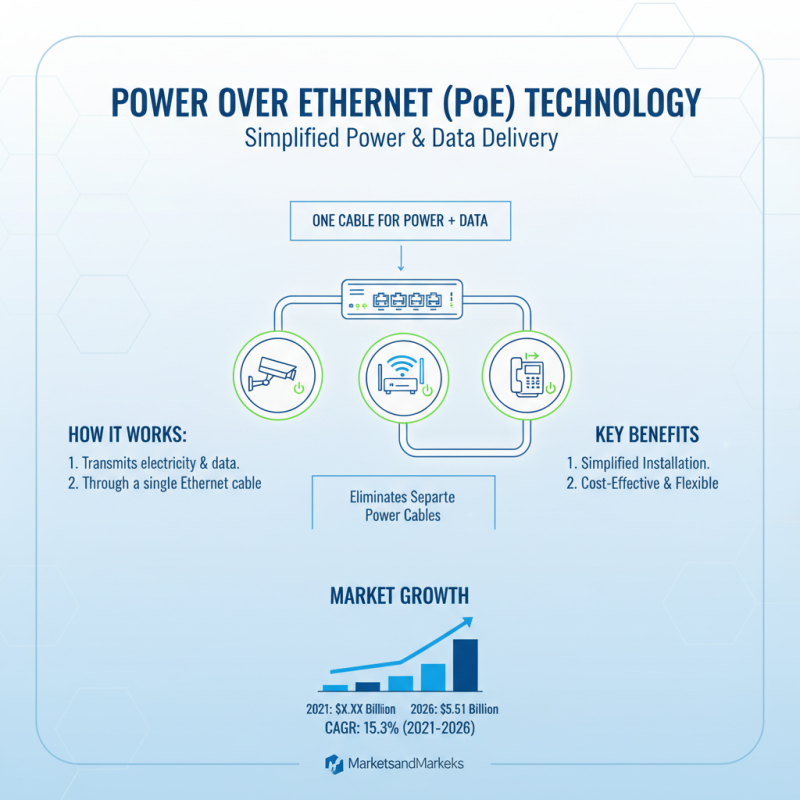
Power Over Ethernet (PoE) technology simplifies the way we power devices. It allows electrical power and data to flow through the same Ethernet cable. This innovation eliminates the need for separate power cables. PoE has gained significant traction in recent years, especially in smart building solutions. According to a report by MarketsandMarkets, the global PoE market is projected to reach $5.51 billion by 2026, growing at a CAGR of 15.3% from 2021.
In essence, PoE technology supports various devices. Common examples include IP cameras, wireless access points, and VoIP phones. A PoE system comprises power sourcing equipment (PSE) and powered devices (PD). The PSE supplies power through the Ethernet cable, while the PD receives it. This seamless integration is a game-changer for network installers. It reduces installation costs and the complexity of wiring. However, it is essential to note that not all Ethernet cables support PoE. Users must ensure they're utilizing the correct infrastructure.
Despite its advantages, PoE is not without challenges. Overloading can lead to equipment failure. Additionally, ensuring compatibility between PSEs and PDs can be tricky. Careful planning is needed to avoid voltage drops over longer distances. Understanding the limits of your PoE setup is crucial. Attention to these details can help realize the full potential of PoE technology in your network environment.
Components of a Power Over Ethernet System
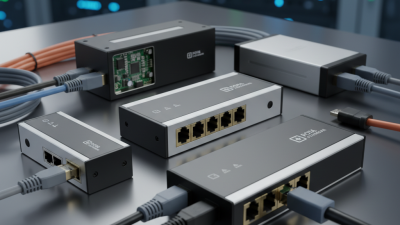
Power over Ethernet (PoE) systems consist of several key components that enable both data and electrical power to be transmitted over standard Ethernet cables. The primary component is the Power Sourcing Equipment (PSE), which provides power. This can be a network switch with PoE capabilities or a midspan injector. PSE detects the powered devices (PD) connected to the network and supplies the necessary voltage, usually 15.4W for PoE, 30W for PoE+, and up to 60W for PoE++.
The connected devices, known as powered devices, include IP cameras, VoIP phones, and wireless access points. These devices have built-in PoE support that allows them to receive power through the Ethernet cable. The standard Ethernet cables used for PoE systems, such as Cat5e or Cat6, contain eight twisted pairs of wires. This efficient use of existing cabling reduces the need for separate power lines.
While PoE systems offer convenience, there are challenges to consider. Limited power availability can hinder performance for larger devices. Moreover, not every device is PoE-compatible. Regular audits of the system are essential to ensure compatibility and reliability. Understanding these components and their functions can optimize PoE deployment in various applications, enhancing operational efficiency.
What is Power Over Ethernet Cord Explained and How Does it Work? - Components of a Power Over Ethernet System
| Component |
Description |
Functionality |
| Power Sourcing Equipment (PSE) |
Device that provides power over the Ethernet cable. |
Delivers power to connected devices. |
| Powered Device (PD) |
Any device that receives power via PoE. |
Receives power and data from the PSE. |
| Ethernet Cable |
Standard network cable used for data and power transmission. |
Transmits both data and power to PDs. |
| PoE Injector |
Device that adds power to a network cable. |
Allows non-PoE devices to receive power through Ethernet. |
| PoE Switch |
Network switch that has PoE capabilities built-in. |
Powers PDs directly through the switch ports. |
How Power Over Ethernet Transmits Data and Power
Power over Ethernet (PoE) is a technology that simplifies networking by allowing
data and electricity to share a single cable. This approach eliminates the need for separate power lines,
making setups cleaner and more efficient. It is primarily used in devices like IP cameras and wireless access points.
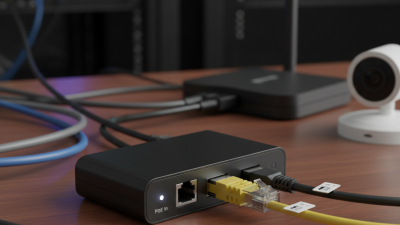
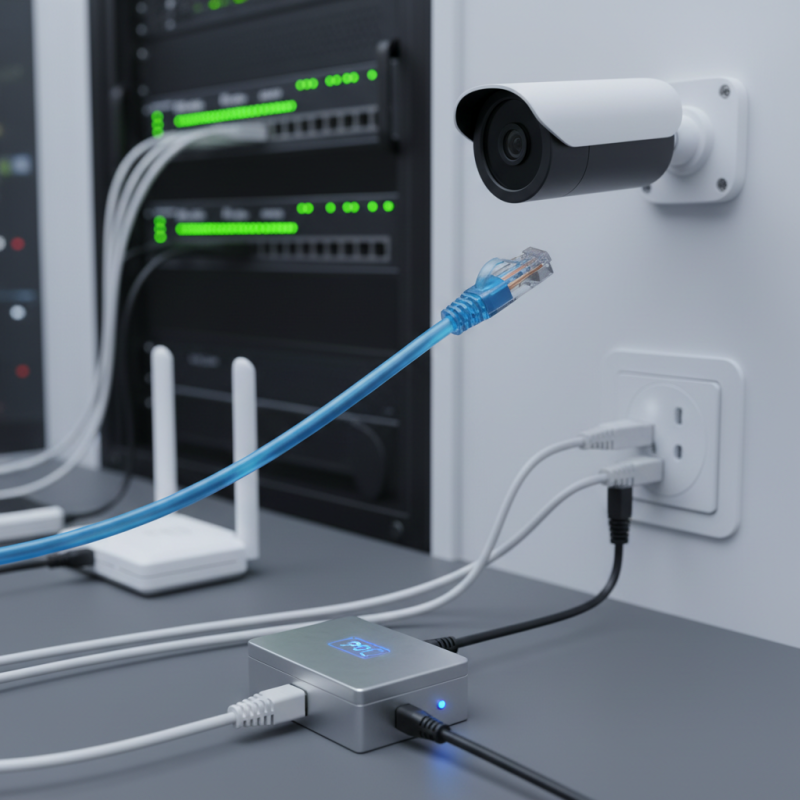
How does it work? PoE cables, typically Cat5e or Cat6, transmit power alongside data signals. A PoE injector or switch adds power to the cable.
When connected, the endpoint device, such as a camera, receives both power and data through the same Ethernet connection. A power negotiation process ensures that
only compatible devices receive power, preventing overloads.
Tips: When setting up PoE, consider the maximum distance for the cable run, which is usually 100 meters. Poor installation can lead
to power loss or data issues. Testing equipment before connecting can save time and hassle. Additionally, ensure your switches are PoE-compatible to maximize benefits.
Benefits of Using Power Over Ethernet in Networking
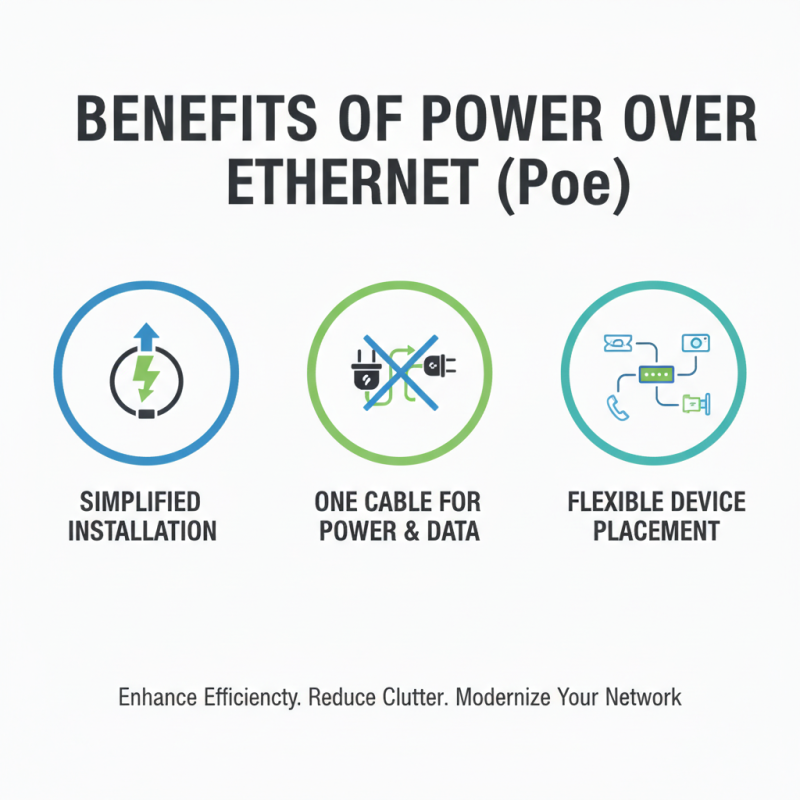
Power over Ethernet (PoE) significantly enhances networking efficiency. It allows devices to receive both data and power through a single cable. This technology eliminates the need for separate power sources, a crucial consideration in modern setups.
One key benefit of PoE is cost reduction. According to a report by the Institute of Electrical and Electronics Engineers (IEEE), deploying PoE can decrease installation costs by up to 30%. This is especially relevant for businesses looking to minimize operational expenses. Moreover, PoE can simplify the installation process. Reducing electrical infrastructure eases the workload on IT departments.
Another advantage is flexibility. Many devices, like IP cameras and VoIP phones, benefit from PoE. They can be installed in locations that lack electrical outlets. This leads to better coverage and efficiency, particularly in large facilities. However, users should evaluate their power needs. Not all devices require the same power level. Some installations may require additional considerations for optimal performance.
Security is another aspect to ponder. While PoE provides convenience, potential vulnerabilities exist. Devices can be exposed to cyber threats, emphasizing the need for robust security measures. PoE encourages a reflective approach to network design, balancing convenience with security.
Common Applications of Power Over Ethernet in Different Industries
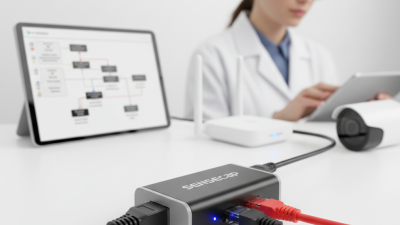
Power over Ethernet (PoE) technology simplifies the way power is delivered to various devices across different industries. In healthcare, PoE is crucial. It powers devices like IP cameras and VoIP phones. These tools enhance security and communication. By reducing the number of cables, facilities can maintain a tidy environment. This is especially important in infection control.
In retail, PoE supports point-of-sale (POS) systems and digital signage. Retailers benefit from centralized power management. Store layouts become more flexible. Merchants can easily relocate devices without electrical re-wiring. However, there are challenges. Some devices may not be PoE compatible. This can create gaps in efficiency.
In education, PoE enables smart classrooms. Teachers can use interactive boards without worrying about outlets. Devices like projectors and tablets stay powered seamlessly. Still, schools must consider infrastructure limits. Not every building is ready for PoE upgrades. Awareness and planning are key for successful implementation.