Poe Splitter Tips for Efficient Network Setup and Cost Savings?
In modern network setups, efficiency and cost savings are paramount. The integration of Poe Splitters has transformed how devices connect. These devices enable both power and data transmission through a single cable, simplifying setups significantly. According to a recent report by MarketsandMarkets, the Power over Ethernet (PoE) market is projected to reach $3 billion by 2025, highlighting a growing reliance on this technology.
Despite the benefits, many users overlook the role of Poe Splitters in optimizing network design. A recent survey indicated that 40% of businesses still struggle with cable management and power distribution. Utilizing Poe Splitters can help address these challenges, yet awareness and understanding of their potential remain limited.
Additionally, users must consider compatibility issues. Not every Poe Splitter supports all devices. Choosing the right one can prevent unnecessary costs. A deeper understanding of Poe Splitters can lead to improved network performance and substantial financial savings. Embracing this technology is essential for businesses aiming to enhance operational efficiency while managing costs effectively.
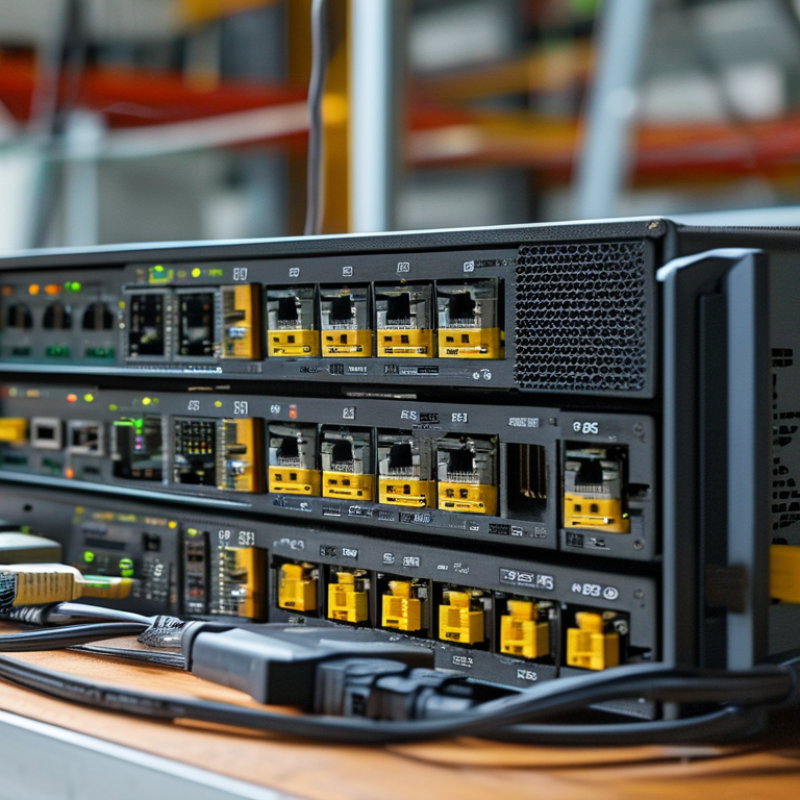
Understanding the Basics of PoE Splitters in Network Configurations
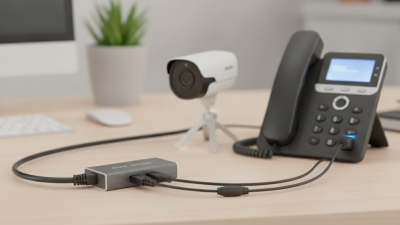
Power over Ethernet (PoE) splitters are essential in modern network setups. They allow the delivery of power and data through a single cable. Installation becomes simpler, especially in locations where outlets are scarce. Splitters can support various devices, such as IP cameras and wireless access points. This versatility is why many professionals rely on them. However, improper use can lead to inefficiencies.
Understanding how to choose the right splitter is crucial. Voltage and wattage ratings must match your devices. Many people overlook this step. Mismatched specifications can cause devices to underperform or fail entirely. Splitters come in various types, so it’s essential to assess your needs carefully. Researching installation requirements can also make a difference.
A well-configured network saves both time and costs. Yet, some configurations may seem optimal but aren’t reliable. Practicing diligence in setup can prevent future frustrations. Monitoring performance regularly can help identify issues early. A bit of attention now can lead to long-term efficiency.
Poe Splitter Usage in Network Configurations
Benefits of Using PoE Splitters for Cost-Effective Networking Solutions
PoE splitters are transforming networking. They allow devices to receive both data and power using a single cable. This setup not only cuts down on clutter but also provides significant cost savings. By eliminating the need for additional power outlets, businesses can reduce installation expenses.
Using PoE splitters enables flexibility in device placement. They can power IP cameras or wireless access points far from wall sockets. This adaptability improves network performance and meets the needs of modern setups. Engineers find that this innovative solution simplifies troubleshooting as well.
However, not every installation is perfect. Sometimes the distance between the splitter and the device can lead to voltage drops. Planning the layout carefully can help, but it requires precise calculations. Regular monitoring is essential to ensure optimal performance. Understanding these nuances will help teams make informed decisions for their network design.
Choosing the Right PoE Splitter for Your Network Needs
When choosing the right Power over Ethernet (PoE) splitter for your network needs, it’s crucial to consider several factors. The output voltage and power capabilities of the splitter must align with your devices’ specifications. For instance, an improper voltage can lead to inefficiency or even damage. Ensure that your splitter has the right voltage output, typically 5V, 12V, or 24V, to match your devices.
Compatibility with existing infrastructure is also key. Assess your current network setup, including cable lengths and types. A quality PoE splitter should work seamlessly within your network without compromising performance. Be mindful of potential signal loss over longer distances. If you find that your connection is weak, this could signal where adjustments are needed.
Reflecting on cost savings, investment in a reliable splitter pays off over time. Cheap options may tempt you, but they often lack durability and efficiency. Without a reliable splitter, you might face unexpected downtime, frustrating both you and your users. This, in the long run, can incur higher operational costs. Careful, informed choices promote a stronger, more efficient network setup while ensuring seamless connectivity.
Installation Tips for Optimizing PoE Splitter Performance
When setting up a Power over Ethernet (PoE) splitter, installation plays a crucial role in performance. To achieve optimal results, consider the layout of your cables. Ensure they are not tangled or too tight. Loose cables can reduce efficiency. Poor connections might lead to power loss, which can impact device functionality.
Position the PoE splitter in a location that allows for adequate ventilation. Overheating can hinder performance. Keep it away from direct sunlight. Check that your splitter supports the required power output for connected devices. Always double-check compatibility before installation. An incorrect setup can lead to unexpected shutdowns or device failures.
Test your network after installation. Monitor devices for any power fluctuations or connectivity issues. Identify and troubleshoot problems promptly. It’s also wise to document your installation steps. This helps in future upgrades or repairs. Reflect on the process and look for areas of improvement. Proper installation not only saves costs but also ensures better performance.
Common Mistakes to Avoid When Setting Up PoE Splitters
Setting up a PoE (Power over Ethernet) splitter can significantly enhance your network's efficiency. However, there are common mistakes that many make during this process. For instance, not checking the power requirements of the devices can lead to inadequate performance. Devices need specific voltages to operate correctly. If the voltage does not match, you may encounter device failures or poor connectivity.
Another frequent error is overlooking cable quality. Using low-quality cables can result in signal loss and reduced power delivery. Often, users think any Ethernet cable will suffice. In reality, the type of cable can impact performance. It's vital to choose cables rated for PoE use.
Lastly, failing to properly plan your layout can cause complications. Not accounting for the distance from the power source can lead to voltage drops. This often results in devices that do not function efficiently. Planning your setup carefully can help you avoid these pitfalls.