10 Essential Tips for Using Poe Devices Effectively in Your Network
In the evolving landscape of networking, Poe Devices have become indispensable. Renowned networking expert, Dr. Alice Bennett, stated, "Poe Devices transform power delivery and connectivity, enabling seamless integration." Understanding their effective use is crucial for any IT professional.
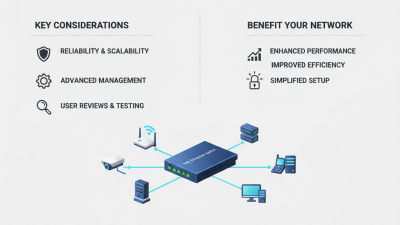
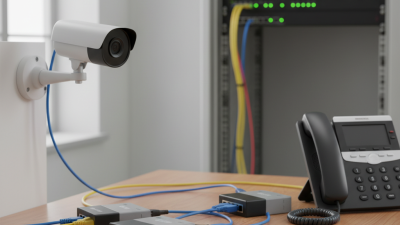
Incorporating Poe Devices can enhance network efficiency. They enable devices like cameras and phones to receive both power and data through a single cable. This simplifies setups and reduces clutter. However, ensuring compatibility is vital. Not every Poe Device works uniformly across varying systems.
Effective deployment of Poe Devices requires planning. Underestimating power requirements can lead to system failures. It's essential to assess the total power needs of connected devices. The realm of Poe Devices is rife with opportunities and pitfalls. Evaluating options and understanding limitations fosters reliable network performance.
Understanding PoE Technology: Types and Standards in Networking
Power over Ethernet (PoE) technology simplifies network setups by delivering power and data over a single cable. Various types exist, including PoE, PoE+, and PoE++. Each standard has specific power limits, affecting device compatibility. Understanding these differences is vital for successful implementation in your network.
PoE devices draw power based on their requirements. An IP camera may use less than 15 watts, while a wireless access point might require up to 30 watts. Assessing your devices ensures you choose the right PoE standard. Miscalculating power needs can lead to underperformance, or worse, device damage.
Compatibility is another key area. Not all PoE devices adhere to the same standards. When integrating new devices, it’s essential to check their specifications. Sometimes, devices labeled as PoE may not meet the expected standards. Take time to compare and contrast the options before making decisions. In a rapidly evolving tech environment, staying informed about standards will enhance network reliability and performance.
10 Essential Tips for Using Poe Devices Effectively in Your Network
| Tip No. |
Tip Description |
Type of PoE Device |
Power Output |
Standard Compliance |
| 1 |
Assess power requirements before installation. |
IP Cameras |
15.4W |
IEEE 802.3af |
| 2 |
Use quality cabling to prevent power loss. |
Wireless Access Points |
30W |
IEEE 802.3at |
| 3 |
Consider PoE budget to avoid overload. |
VoIP Phones |
15.4W |
IEEE 802.3af |
| 4 |
Plan your network layout to minimize cable runs. |
Surveillance Cameras |
60W |
IEEE 802.3bt |
| 5 |
Use managed switches for better control. |
IP Intercoms |
15.4W |
IEEE 802.3af |
| 6 |
Test PoE capabilities before full deployment. |
Digital Signage |
30W |
IEEE 802.3at |
| 7 |
Label devices for easy identification. |
Smart Lighting |
60W |
IEEE 802.3bt |
| 8 |
Monitor power consumption regularly. |
Networked Devices |
30W |
IEEE 802.3at |
| 9 |
Ensure proper ventilation for PoE switches. |
Access Points |
15.4W |
IEEE 802.3af |
| 10 |
Stay updated with the latest PoE standards. |
Video Conferencing Equipments |
60W |
IEEE 802.3bt |
Assessing Power Requirements: Calculating Total PoE Budget for Devices
When planning a network, power over Ethernet (PoE) is crucial.
Assessing power requirements is the first step. A common mistake is not calculating the total PoE budget accurately.
According to industry studies, up to 70% of network issues stem from power miscalculations.
Each PoE device draws a specific amount of power. For instance, LED lights may use 15 watts,
while IP cameras require about 30 watts. Aggregating these numbers can prevent overloading.
The maximum power for PoE is 15.4 watts per port for PoE (802.3af) and
up to 30 watts for PoE+ (802.3at). Remember that the total must stay below the switch’s capacity.
Many networks neglect redundancy. A good rule of thumb is to leave at least 20% headroom on the PoE budget for future growth.
This can help avoid potential disruptions. A report indicated that organizations could save up to 25% on energy costs through better power management.
Keeping detailed records of power consumption helps in assessing needs accurately. This practice also supports informed decisions when upgrades are necessary.
Regular audits can reveal inefficiencies that often go unnoticed.
Effective Network Design: Planning for PoE Device Placement and Wiring
Proper planning is critical for deploying Power over Ethernet (PoE) devices effectively within a network. Effective network design should begin with a clear understanding of device requirements. According to a 2022 IEEE report, PoE technology can deliver up to 90 watts of power, benefiting devices like IP cameras and Wi-Fi access points. However, the capacity of standard cabling can become a limiting factor if not accounted for.
Placement of PoE devices directly impacts performance and reliability. A study indicated that a 20% distance increase from the switch could lead to decreased power delivery and data throughput. This highlights the need for strategic placement. Placing switches closer to power-hungry devices mitigates potential losses. Reflecting on real cases, many organizations reported disruptions due to overlooked distance constraints.
Additionally, the appropriate use of network switches optimized for PoE can enhance overall efficiency.
Consideration of cable quality is also vital. Using outdated or substandard cables can weaken signal strength and power delivery. An industry survey identified that only 45% of networks employed CAT6 or higher cabling for PoE applications. This failure reflects a common oversight that can cause unanticipated downtime. Regular audits can address such gaps and improve network reliability, ensuring that the infrastructure is well-prepared for future demands.
Implementing PoE Management: Utilizing Switches and Injectors Efficiently
Power over Ethernet (PoE) technology significantly enhances network efficiency by allowing devices to receive power and data over a single cable. However, effectively implementing PoE management requires an understanding of switches and injectors. According to industry reports, nearly 30% of network downtime can be traced back to inadequate PoE solutions. This suggests that organizations should closely assess their PoE infrastructure.
Using PoE switches is crucial. They streamline the installation of devices such as IP cameras and wireless access points. A well-implemented PoE switch can simplify device management and reduce installation costs by 25%. On the other hand, PoE injectors serve as alternatives when upgrading existing networks. Their flexibility allows for quick deployments, especially in challenging environments where new cabling is impractical.
However, issues often arise in choosing the right PoE standards. For example, not all devices are compatible with PoE+. Miscalculations here can lead to device failures or inefficiencies. Also, thermal issues can occur if devices draw too much power from switches or injectors. It's vital to monitor the power budget regularly to ensure that the network operates smoothly and efficiently. Understanding these nuances can enhance the reliability of your PoE setup.
Utilizing PoE Devices Effectively in Your Network
Monitoring PoE Performance: Tools and Metrics for Optimal Network Health
When managing Power over Ethernet (PoE) devices, monitoring performance is crucial. Effective monitoring ensures that devices remain powered and operational. According to recent industry reports, approximately 85% of network issues can be traced back to power supply problems. Using the right tools, network administrators can identify these issues before they escalate.
Metrics play a central role in assessing PoE performance. Key performance indicators (KPIs) should include power consumption, voltage levels, and device uptime. An analysis of network health often reveals patterns related to peak usage times. For instance, a study indicated that devices may draw up to 30% more power during high-traffic periods. Regularly logging this data can help forecast power needs and prevent outages.
Tools for monitoring PoE performance are diverse. SNMP (Simple Network Management Protocol) and specific PoE management software can offer real-time insights. However, these tools may not always provide accurate readings. Misconfigured devices can lead to discrepancies in reported power availability. Understanding the nuances of these tools is vital for maintaining optimal network health. Regular audits of both the devices and monitoring tools can help address inconsistencies and improve overall reliability.