Why Choose Power Over Ethernet Cord for Your Network Needs?
In today's fast-paced digital world, the choice of network infrastructure plays a crucial role. Many professionals prefer the "Power Over Ethernet Cord" for its efficiency and convenience. The growing demand for seamless connectivity drives innovation in this sector.
Renowned network technology expert Dr. Emily Chen states, "Using a Power Over Ethernet Cord simplifies both power and data transmission." Her insights highlight the striking advantages this technology offers. It streamlines installations, reducing clutter and simplifying network designs.
With the ability to power devices and transmit data through a single cable, the "Power Over Ethernet Cord" minimizes installation time and costs. Yet, some may question its reliability. Critically assessing your network needs is essential. Reflecting on whether this solution fits your unique situation can lead to smarter decisions.
Understanding Power Over Ethernet (PoE) Technology
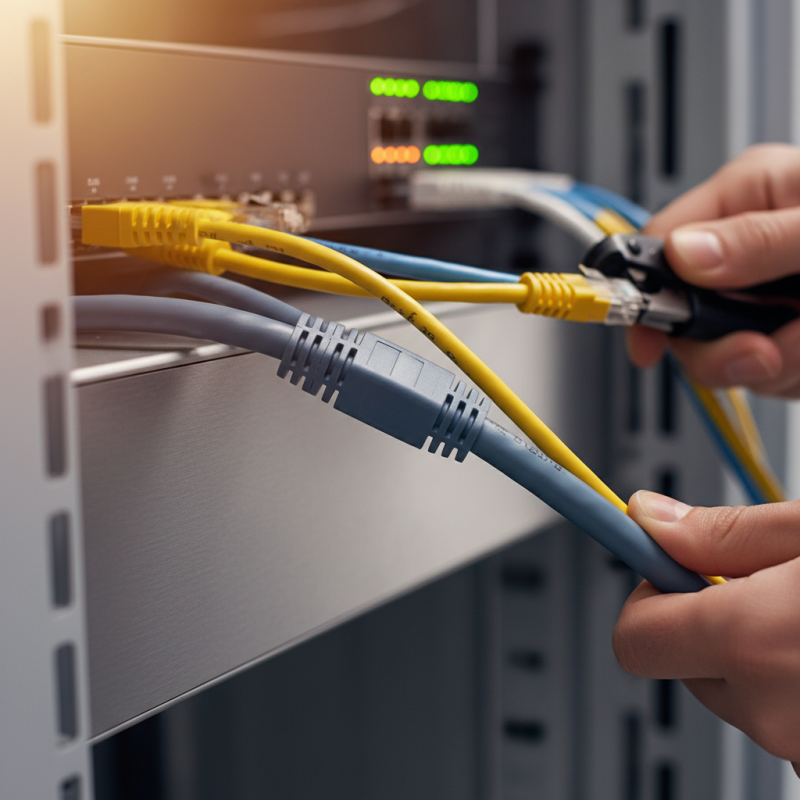
Power Over Ethernet (PoE) technology revolutionizes how we manage power and data. It allows electrical power to pass along with data over standard Ethernet cables. This eliminates the need for separate power outlets for devices like IP cameras, wireless access points, and VoIP phones. By using PoE, installations become neater, less complex, and more flexible.
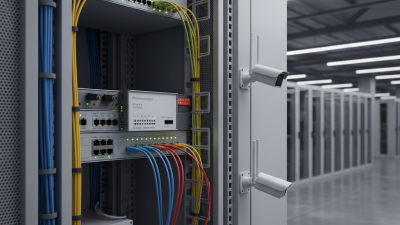
When considering a PoE setup, deployment location matters. Choose locations where power outlets are scarce. PoE can ease cable management issues, especially in outdoor or hard-to-reach areas. Always evaluate your device's power requirements. Equipment with higher power needs may require specific PoE standards.
Tip: Before installation, map your network layout. This will help you decide on your power sourcing equipment. Ensure your cable runs are not overly long, as this can reduce power efficiency. Lastly, remember that while PoE simplifies wiring, it’s essential to balance the load effectively. Overloading can lead to network failures.
Why Choose Power Over Ethernet Cord for Your Network Needs? - Understanding Power Over Ethernet (PoE) Technology
| Feature |
Details |
| Power Delivery |
Delivers power up to 30W per port. |
| Data Transmission |
Supports data rates of up to 1 Gbps. |
| Installation Cost |
Reduces installation costs by using existing network cables. |
| Flexibility |
Easily deploys devices in areas without power outlets. |
| Device Compatibility |
Compatible with IP cameras, VoIP phones, and wireless access points. |
| Safety Features |
Includes short-circuit and overload protection. |
| Standard Compliance |
Complies with IEEE 802.3af and IEEE 802.3at standards. |
Benefits of Using PoE Cords in Network Configuration
Power over Ethernet (PoE) technology simplifies networking by combining power and data transmission into one cable. This integration reduces the clutter of multiple wires, making installations cleaner and more efficient. It allows devices like IP cameras and VoIP phones to receive power directly through the network cable. This is particularly appealing in environments where electrical outlets are scarce or difficult to access.
One of the standout benefits of using PoE cords is operational flexibility. They enable devices to be installed in locations that traditional wiring would not support. Consider a security camera mounted on a pole or a floor lamp used in an outdoor setting. With PoE, installation becomes straightforward and cost-effective. Yet, this convenience is not without its challenges. While the technology is reliable, the need for proper planning is essential. Miscalculating power requirements can lead to device malfunction.
In environments with high energy demands, the limitations of PoE may become apparent. Not all devices can function optimally on limited power. It's crucial to assess whether your existing infrastructure can support PoE applications effectively. Investing in high-quality wiring and connectors can make a significant difference.
Comparing PoE with Traditional Power and Data Solutions
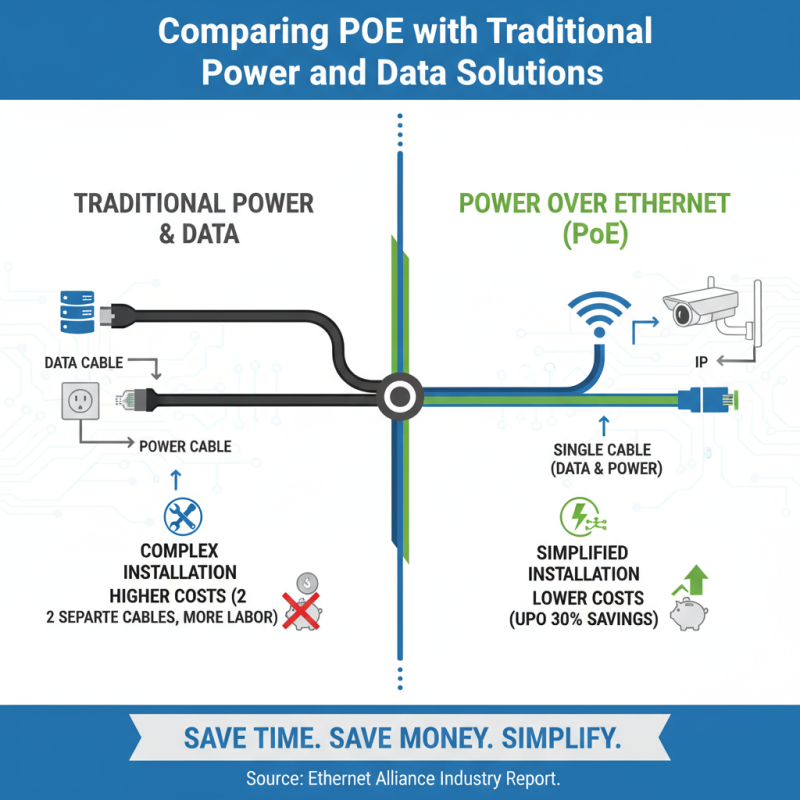
Power over Ethernet (PoE) technology offers significant advantages over traditional power and data solutions. With PoE, data and power are transmitted through a single cable, simplifying installations and reducing costs associated with additional wiring. An industry report from the Ethernet Alliance indicates that businesses can save up to 30% on installation costs by utilizing PoE, primarily due to decreased labor and material expenses.
Moreover, PoE enhances flexibility in network setups. Devices such as IP cameras and wireless access points can be placed in locations without nearby power outlets. According to Statista, the adoption of PoE devices is projected to grow by over 12% annually through 2025. This trend highlights a shift towards more efficient technologies in corporate environments. Yet, businesses should consider that PoE may not deliver enough power for high-demand devices compared to traditional AC power systems.
This limitation serves as a reminder that while PoE is revolutionary, it's not universally applicable. Planning is essential to ensure that devices operate optimally. Some users may find that reliance on PoE could lead to unexpected challenges if power demands exceed capacity. Balancing these factors is key to making informed decisions in network design and infrastructure development.
Applications of Power Over Ethernet in Various Industries
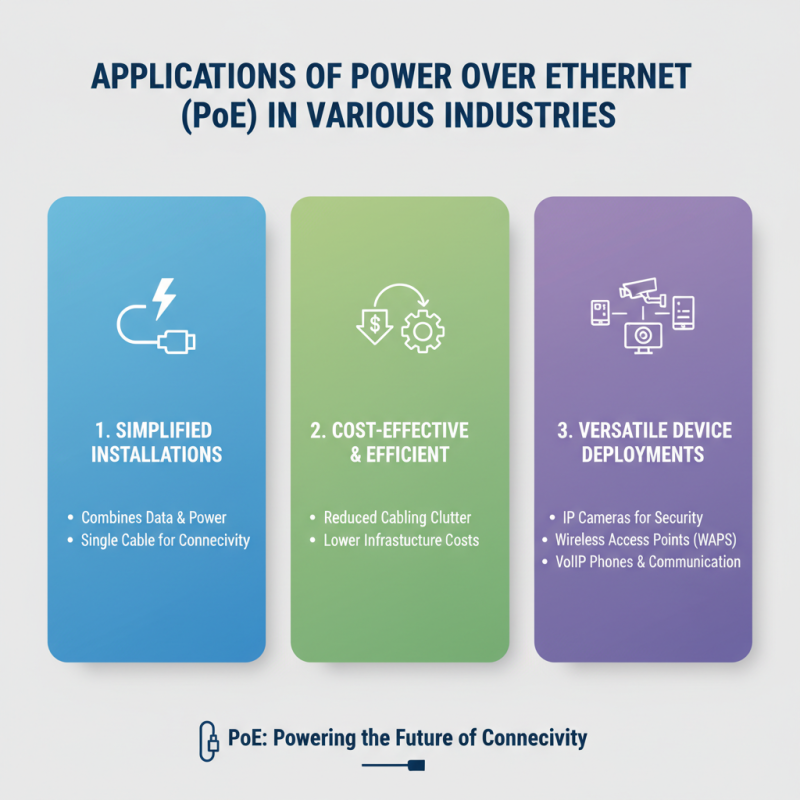
Power over Ethernet (PoE) technology is transforming various industries. It simplifies installations by combining data and power into a single cable. This not only reduces clutter but also cuts down on costs. Many businesses are now deploying PoE for devices such as IP cameras, wireless access points, and VoIP phones. This versatility makes it an attractive option for modern infrastructures.
In healthcare, PoE enables smart medical devices to connect seamlessly. Patient monitoring systems can function in real-time, improving care efficiency. Educational institutions benefit as well, using PoE for digital signage and interactive whiteboards. While the technology is robust, there are valid concerns about reliability. Any poise failure affects multiple devices. This highlights the need for regular maintenance and monitoring.
Retail environments utilize PoE for security measures and customer engagement tools. Smart shelves and IoT devices provide insights into consumer behavior. However, implementing PoE requires careful planning. Overloading a circuit can lead to performance issues. Industries must weigh the benefits against potential drawbacks, ensuring a strategic approach to integration.
Choosing the Right PoE Cord for Your Specific Needs
When selecting the right Power Over Ethernet (PoE) cord for your network, understanding your specific needs is vital. Different devices require varying levels of power and cable lengths. Assess the devices you plan to connect. Check their power demands. Some may only need a few watts, while others might require significantly more. This evaluation helps in choosing a suitable PoE cord.
Tip: Always opt for high-quality cables. A low-quality cord can lead to power loss and reduced performance. Make sure the cable meets the standards for the power you need. Consider factors like distance, as longer runs may require thicker cables.
Additionally, the environment where the cable will be used matters. Indoor and outdoor cables differ in durability. Outdoor cables are typically weather-resistant. This feature is crucial for ensuring longevity in varying conditions.
Tip: Do not overlook the importance of installation. Proper installation techniques can prevent future issues. Inadequate installation may lead to communication errors or equipment failures. Evaluate the layout and device placement before installation.