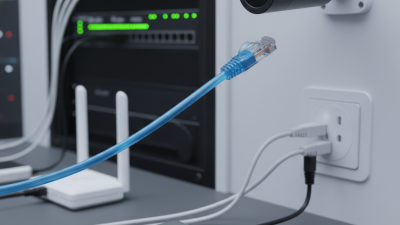
Best Poe Devices for Your Network Needs?
In the modern era of connectivity, choosing the right Poe devices for your network needs is crucial. Power over Ethernet (PoE) technology simplifies installations. It delivers both power and data through a single cable, reducing clutter and complexity. However, selecting the right devices can be challenging.
Many users overlook specifications and compatibility. Understanding the different types of Poe devices is key to building an efficient network. From switches to injectors, each has unique features. Knowledge and expertise are critical when making these decisions. Users must ensure devices can meet their specific needs and provide reliable performance.
Additionally, some may rush their choices due to budget constraints. This can lead to long-term issues. Investing time in research will pay off. Identifying reputable brands and understanding their offerings enhances credibility. Ultimately, the right Poe devices will ensure a seamless and effective network experience.
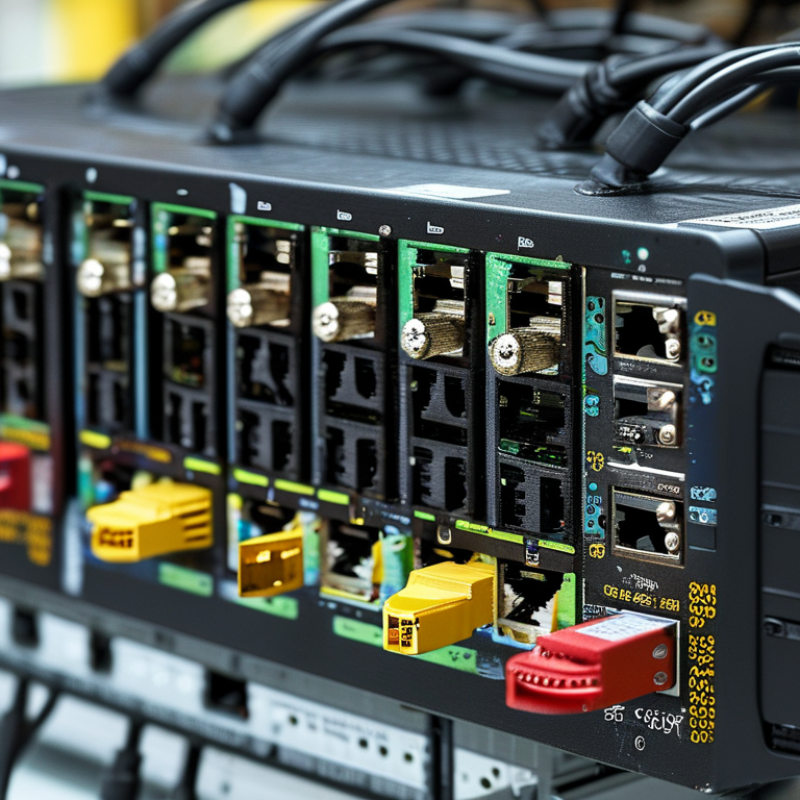
Understanding Power over Ethernet (PoE) Technology
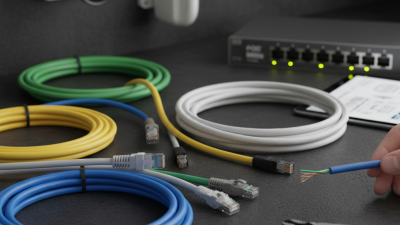
Power over Ethernet (PoE) technology simplifies network setups. It allows you to deliver both data and electrical power through a single Ethernet cable. This is highly beneficial for devices like IP cameras, VoIP phones, and wireless access points.
Using PoE can reduce installation costs significantly. Without the need for separate power outlets for each device, setups become cleaner and more efficient. However, it’s essential to consider the power budget. Not all devices require the same power levels. Inspecting device specifications and ensuring compatibility is crucial.
A common mistake occurs when users underestimate their needs. Poor planning can lead to insufficient power supply, resulting in device failures or performance issues. Regularly reviewing power requirements and network growth can help avoid problems. This ongoing assessment is key to maintaining an optimal network environment.
Types of PoE Devices: A Comprehensive Overview
Power over Ethernet (PoE) technology simplifies network management by combining power and data in a single cable. This integration allows a variety of devices to thrive in both commercial and residential settings. Common PoE devices include IP cameras and wireless access points. These devices rely on a reliable power source while maintaining network connectivity.
Another important category is VoIP phones. They rely on PoE for consistent power to support call quality. Each device must meet specific power agreements and standards to function correctly. Understanding these requirements can be challenging. Users often face issues in configuration and compatibility.
While PoE provides convenience, it’s essential to fully assess your network needs. Misjudging power requirements can lead to device failures. Therefore, continuous monitoring is vital. Not every setup is ideal, and mistakes will happen. Embracing these challenges leads to better solutions over time.
Best Poe Devices for Your Network Needs
Selecting the Right PoE Standards for Your Network
Power over Ethernet (PoE) technology has transformed network infrastructure by simplifying installation and reducing costs. Understanding PoE standards is crucial for selecting suitable devices. IEEE 802.3af, 802.3at, and 802.3bt are the primary standards. Each comes with varying power delivery capabilities, thus affecting device compatibility.
For example, 802.3af supports 15.4 watts per port. This is adequate for basic devices like VoIP phones. On the other hand, 802.3at, commonly known as PoE+, provides up to 30 watts, allowing more powerful equipment, such as some security cameras. The most recent, 802.3bt, can supply up to 60 watts per port. This is essential for high-demand devices like video conferencing systems.
Tip: Assess your current devices. Calculate the power requirements to avoid underperformance. If you’re uncertain, consult technical specifications or professionals.
Also, consider future upgrades. Technology evolves quickly; investing in higher-capacity standards could save time and resources later. Without examining your needs closely, you risk costly rewiring or device limitations. Understanding these standards ensures your network remains both functional and flexible.
Key Factors to Consider When Choosing PoE Switches
When selecting Power over Ethernet (PoE) switches, several key factors are crucial. One important aspect is the total power budget. Reports indicate that 802.3af and 802.3at standards provide up to 15.4W and 30W per port, respectively. Understanding your device requirements is critical. For instance, IP cameras often require more power than VoIP phones. Misjudging power needs can lead to network interruptions.
Port count also demands careful consideration. Factors such as future expansion and current device count can influence this choice. According to industry research, most organizations require at least 24 ports for moderate device deployments. However, some businesses may need more, which can drive up costs. It’s vital to balance current and future needs.
Finally, network management features play a significant role. Advanced PoE switches offer capabilities like remote monitoring and port management. These features can enhance reliability but often come with a steeper price. Balancing cost against feature set is essential. Many organizations overlook this aspect and later face difficulties adjusting their network. Reviewing your long-term strategy can prevent such issues.
Best Practices for Implementing PoE in Your Network Setup
When implementing Power over Ethernet (PoE) in your network, understanding your needs is crucial. Begin by assessing the devices you plan to connect. Each device may have different power requirements.
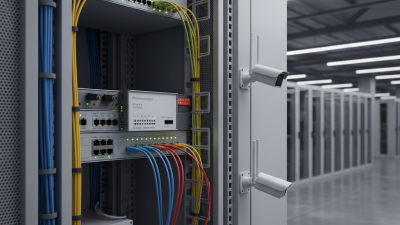
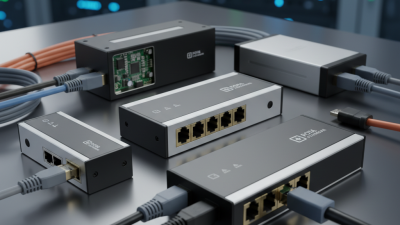
Cameras, access points, and VoIP phones have distinct power needs. Carefully mapping these will help in selecting the right PoE switches or injectors.
Consider your network’s layout. Avoid long cable runs exceeding 100 meters. This can lead to power loss and connectivity issues. Some devices may work well at longer distances, but that’s not always the case.
Testing different setups can be beneficial. Also, be mindful of heat generation from PoE devices. Overheating can damage equipment and reduce lifespan.
Documentation is essential. Maintain records of your PoE setups, including device specifications and electrical loads. Regular audits can identify potential issues early. Engaging with professionals or leveraging forums can provide insights into best practices based on real-world experiences.
Reflecting on past implementations can reveal improvements for future projects.