Best Gigabit Ethernet Splitter for Your Network Needs?
In the rapidly evolving world of networking, a Gigabit Ethernet Splitter stands out as a crucial tool. Experts emphasize its importance in optimizing network connections. Johnathan Reese, a networking specialist, once stated, “A quality Gigabit Ethernet Splitter can significantly enhance your internet experience.” With the increasing demands for high-speed internet, many users seek effective solutions.
The complexity of modern networking often leads to confusion. Choosing the right Gigabit Ethernet Splitter can make a substantial difference. It allows multiple devices to connect without sacrificing speed. However, not all splitters are created equal. Users must understand their specific needs before making a purchase. The market offers various options, and finding the best fit can be daunting.
It's easy to overlook the importance of these tools. Many may assume that all gigabit splitters perform similarly. Yet, this assumption can lead to performance issues. Investing time in research can prevent frustration later. With expert insights and careful consideration, users can select the best Gigabit Ethernet Splitter for their network needs.
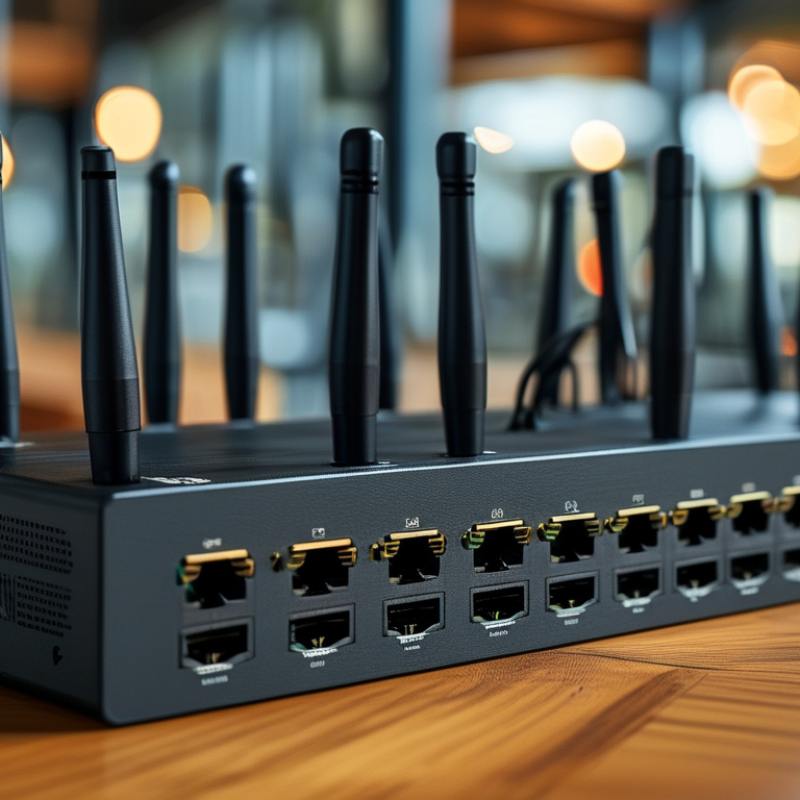
What is a Gigabit Ethernet Splitter and How Does It Work?
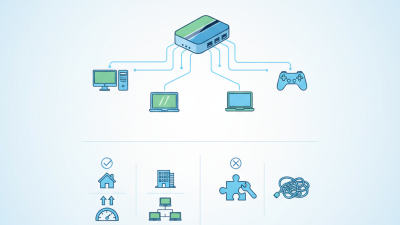
A Gigabit Ethernet splitter is a device that allows you to connect multiple devices to a single Ethernet cable. It works by taking one input signal and dividing it into multiple output ports. This can be useful in various scenarios where you need several connections but have limited cabling.
The splitter does not boost or extend the network range. Instead, it simply allows multiple devices, like computers or game consoles, to share a single connection. This can lead to performance degradation if all connected devices are in use. Bandwidth is shared among them, so you may notice slower speeds during heavy usage.
While adding a splitter might seem like a simple solution, it’s essential to consider network needs. Not every setup is ideal for a splitter. If high-speed connectivity is crucial, alternative solutions like a network switch may be better. Understanding your network requirements helps in making informed choices.
Key Features to Look for in a Gigabit Ethernet Splitter
When selecting a Gigabit Ethernet splitter, consider certain critical features. A good splitter should support full-duplex communication, allowing simultaneous data transmission. According to industry reports, devices that do not support this feature can significantly reduce network efficiency. Full-duplex can potentially double the effective bandwidth. This advantage is crucial for businesses needing stable connections.
Port specifications play an essential role. Look for splitters that support up to 1000 Mbps per port. Compatibility with Cat5e and Cat6 cables ensures optimal performance. Industry data suggests that using lower quality cables can hinder performance by up to 30%. Ensure that the splitter is also compatible with your existing hardware to avoid network conflicts.
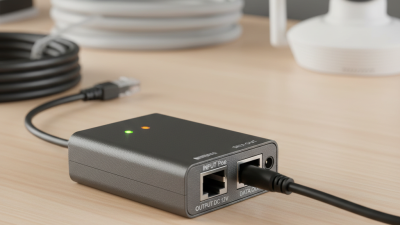
Power over Ethernet (PoE) is another feature worth considering. This allows devices to receive power and data through one cable, reducing clutter. The IEEE 802.3af standard provides a maximum of 15.4 watts per port. Some splitters may not fully adhere to this, risking device reliability. Always check the specifications before purchasing. Reflecting on user reviews, reliability still remains a concern. Many users report issues with overheating or signal loss, highlighting the importance of quality over price.
Comparative Analysis of Leading Gigabit Ethernet Splitters in the Market
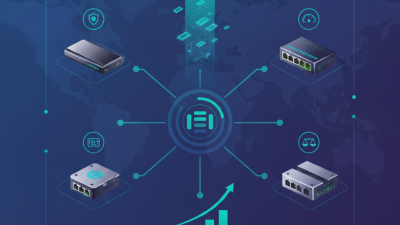
When choosing a gigabit Ethernet splitter, it’s crucial to consider various factors that affect performance. Different models may have unique designs. Some may support auto-MDI/MDI-X, allowing them to adjust based on the connected devices. This feature can be vital in minimizing compatibility issues. High-quality materials can enhance durability, yet cheaper models often compromise on this aspect.
Performance testing reveals discrepancies among products on the market. While some splitters maintain a consistent connection, others may exhibit latency issues. Users might find that certain splitters cause speed drops under load. Peer reviews and tech forums often highlight these differences, showcasing the importance of user experience in assessing reliability.
Installation can also vary greatly between products. Some models boast simple plug-and-play setups, while others require additional configuration. Potential users should pay attention to how intuitive the setup process is. Those with complex home networks may find that certain solutions work better for their specific needs. Reflecting on potential user experiences can lead to better choices when selecting a device.
Installation Steps for Optimal Network Performance with Splitters
Installing a Gigabit Ethernet splitter can enhance your network's performance. However, proper installation is crucial. Ensure you have high-quality cables. Poor cables can reduce your network speed by up to 50%. This scenario often occurs with lower-grade materials that can't handle higher data rates.
Start by assessing your current network setup. Identify locations where you need additional connections. Use your splitter only where necessary to avoid potential congestion. Remember, splitters cannot increase bandwidth; they only divide the existing signal. Limit connections to devices that require lower data transfer speeds, like printers or smart TVs.
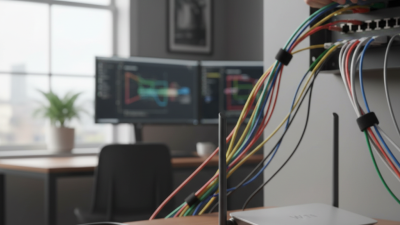
Tips: Keep your cables organized. Tangles can cause interference, leading to data loss. Regularly check connections to prevent potential issues. If you notice network slowdowns, consider testing each segment for faults. Reflect on your current network demands; what worked last year may not suffice now. Staying updated with your hardware maintains optimal speed.
Common Misconceptions About Gigabit Ethernet Splitters and Their Limitations
When discussing Gigabit Ethernet splitters, many misconceptions arise. One common myth is that these devices can boost internet speeds. In reality, a splitter divides the existing bandwidth between devices. If two devices share a connection, each may operate at a reduced speed. This limitation is crucial when planning your network setup.
Some believe that a splitter enables multiple devices to maintain gigabit speeds simultaneously. Unfortunately, this is not true. A traditional splitter will not manage data traffic smartly. Instead, it divides the available bandwidth. This leads to congestion, especially in high-demand scenarios. Users may experience slower speeds during peak usage.
Users should also be aware of cable quality. Not all Ethernet cables can support gigabit speeds over long distances. Using deprecated or low-quality cables may result in poor connectivity. It’s essential to invest in quality cables if maximum performance is a goal. Overall, understanding these limitations helps in making informed decisions.